Post COVID Africa begins the new year and decade with a promise and a new paradigm but the myths of doing business in Africa hasn’t changed to reflect the new ground reality. After spending a decade in Africa, the question I get asked the most often is, ‘Isn’t Africa dangerous to live and shouldn’t doing business be perplexing?’. Truthfully, my experience of Africa was contrasting to the common perception and beliefs. Africa suffers from poor perception due to the persistent media narrative of bad news focused on terrorism, wars, disease, famine while overlooking the positive transformative changes happening in Africa. In reality, Africa is safe to live with basic precautions and doing business is rewarding if you are willing to adapt with a long term perspective. If you are contemplating entry or scaling up in African markets read on to as I bust some of the myths of doing business in Africa.
Let’s look at some of the facts of Africa the second largest continent in size and population
o Size is 30.37 square kilometres about 3 times the size of Europe,
o Population of 1.21 Billion with the youngest population in the world, >70% of the population is under 30 years of age
o Arable land nearly 60% of world’s uncultivated farm land
o Resources estimated at 30% of the remaining natural resources in the world
o World’s largest free trade area with the commencement of AFCFTA from 01st Jan 2021
o GDP of $2.6 trillion (nominal 2019) with some of the fastest growing economies in the world – Ethiopia, Rwanda, Cote d’Ivoire, Djibouti
 Africa Takes The Stage: From Raw Supply To Brand Ownership
# Myth 1: Africa is too risky
Warren Buffett defines “Risk comes from not knowing what you’re doing.” Like all emerging markets risks comes with rewards, over the last decade Africa’s economic progress and transformation are well documented. It’s no more the overlooked continent it used to be the risks of doing business in the unknown has significantly reduced. The risk is not arising from its market size or sophistication of the market, the biggest risk in Africa is execution risk. Most businesses which treats one size fits all or unwilling to adapt the business model runs the risk of losing their way. In my experience risk can be mitigated by approaching with a humble mind-set, listening to the consumers, applying contextual intelligence in developing country specific execution strategy with a strong local team guided by leaders with domain knowledge expertise.
#Myth 2: Africa has no connectivity
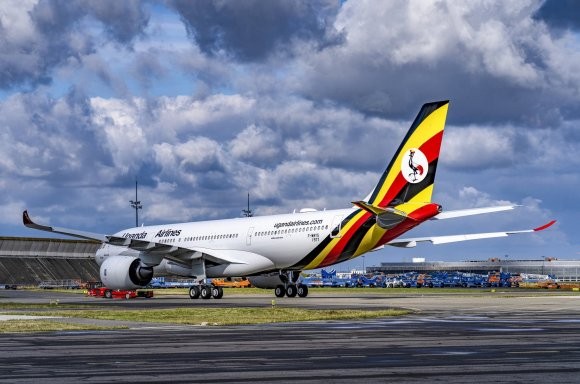
Africa today has fairly widespread broadband connectivity with the deployment of 4G LTE across most markets and availability of fixed internet in key cities, serving the both large and small businesses. Mobile subscription exceeds 500 million with rapidly growing smartphone penetration at > 35%. Air connectivity to and fro Africa with three regional hubs of Ethiopia, Kenya and South Africa ensures direct flights to 25 -30 countries. More aero planes and regional routes are being added with continued focus on railways for transportation of raw materials and finished goods. While new roads are being paved, congested roads and traffic jams are real. Patience is the recipe both for traffic jams and growing business in Africa. Similarly, electricity production and availability has significantly improved though per capita consumption remains low in Sub Saharan Africa. Access to internet, air connectivity and electricity has changed from being a barrier to a growth enabler.
# Myth 3: Africans cannot innovate or be entrepreneurial
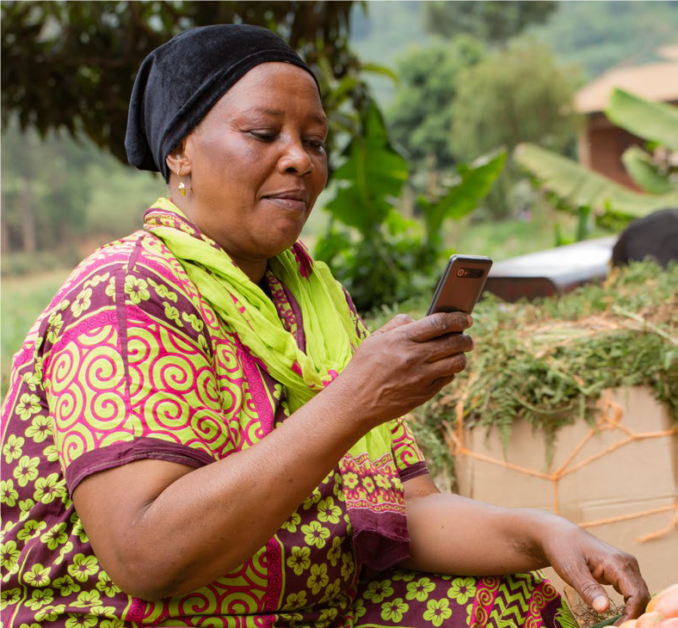
This is not only a myth but stereotyping or an extreme generalization about a group or type of people. It might come as a surprise to some that the East-African country, Uganda, ranks first in the world for having the most entrepreneurs per capita, according to the research conducted by UK-based business-networking group, Approved Index, Three further African countries, Cameroon, Angola and Botswana also occupy places amongst the top nine countries with the most entrepreneurs, many of them women. M-Pesa mobile money transfer system launched in 2007 as a way to bank the unbanked and manage microloans. Now it is used for all sorts of transactions – and is spreading not only through Africa but also to eastern Europe, Afghanistan, India and beyond. M-KOPA pioneered and kick-started the wider pay-as-you-go solar market. The idea was to combine the power of digital micropayments with IoT (Internet-of-Things) connectivity to make financing more accessible, and solar was just the start. Safeboda, a startup has modernized informal transportation and ensure safe access to mobility by riding with trained drivers at a fair price every time with no hassle bargaining and conveniently pay using mobile money. These are to name a few innovations born in Africa solving African problems at scale.
# Myth 4: Africa is corrupt with weak governance
In my experience policy makers and leaders in Africa are more accessible and open to direct feedback creating an environment of transparency and dialogue. World Bank rankings show Rwanda has made considerable progress in reducing corruption with visible leadership from the top, effective policies, enabling judicial reforms, involving communities in reporting of corrupt practices and initiating timely action. Rwanda currently ranks 29th worldwide in doing business and is second in Sub Saharan Africa only to Mauritius. It’s an irony Global Heath Security Index rated US and European countries as most prepared and African countries as least prepared in dealing with health threat. African governments have provided effective leadership and swift response to the outbreak of COVID19 pandemic saving precious lives. Yet again narrative and stereotypes of poor governance discredits African efforts in managing the pandemic. I can confirm from my personal experience of nearly a decade in Africa, business can be done without any under hand dealings. It’s a personal and conscious choice each leader and business needs to make one.
#Myth 5: Africa is a country
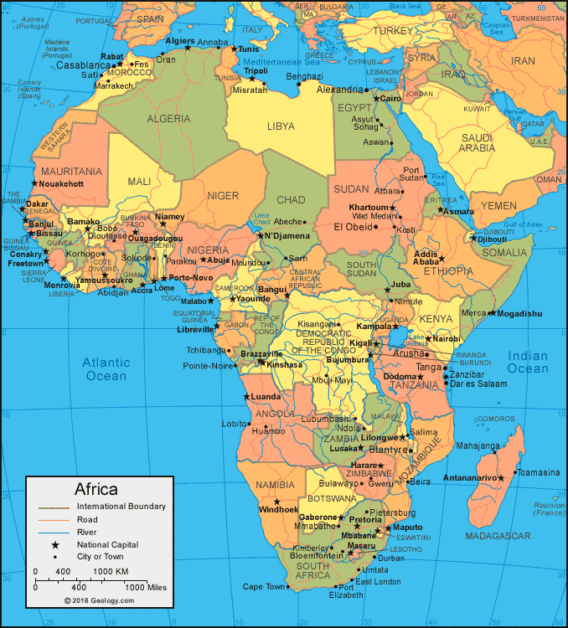
Africa is not a country but a continent. The strategic mistake to avoid is treating Africa as one entity. Each African country is unique with varying socio economic politico factors impacting business environment. Investing or doing business in Africa involves intricacies and nuances of selecting an individual country developing deep understanding and building key relationships is a sure way of de-risking Africa strategy.
By Somasekhar VG
MANAGING DIRECTOR | PRESIDENT | DIVISIONAL HEAD ★ Building & Transforming Businesses in Emerging Markets