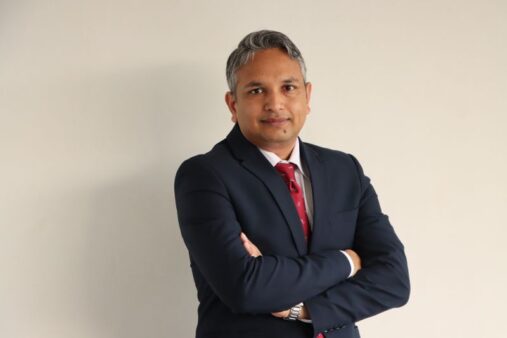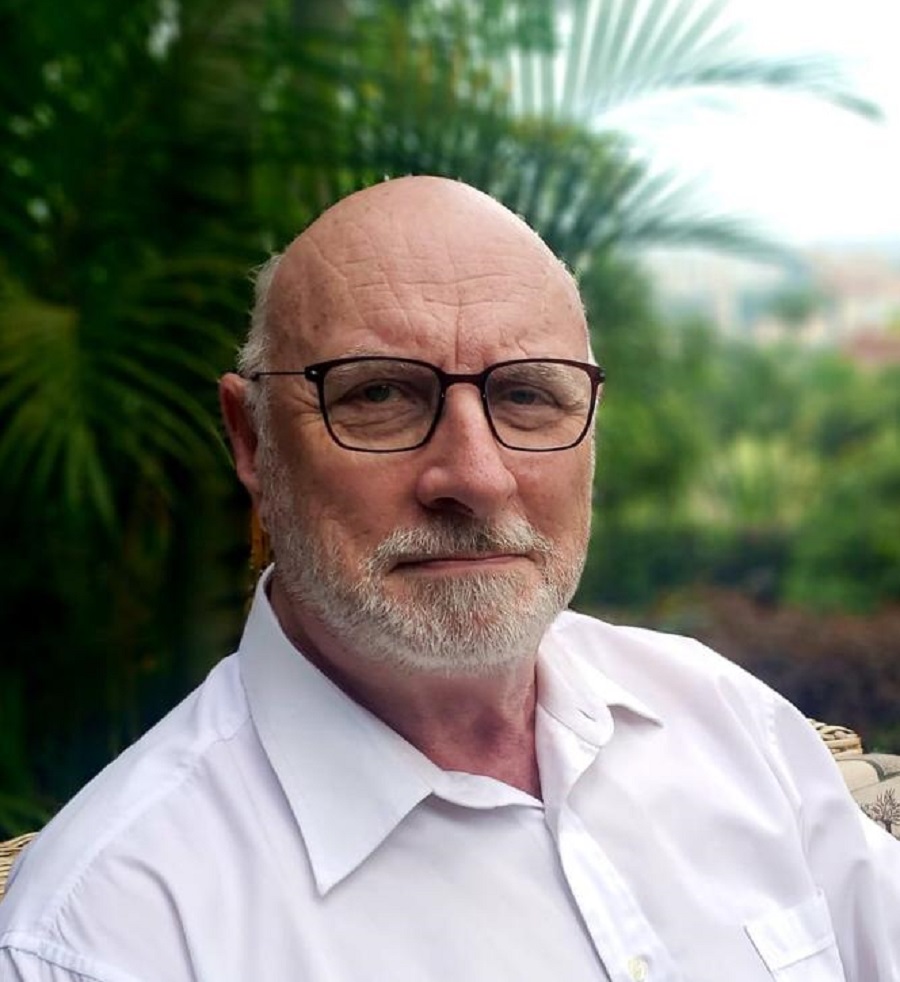
By Monsignor David Cappo
Catholic Priest and Social Worker; Co-Founder and CEO YouBelong Uganda (providing mental health care in Uganda); former Commissioner for Social Inclusion for South Australian Government and former member of Australian Government expert panel on mental health.
I am going to tell you something about mental illness that might shock you. Mental illness is not a rare illness relegated to a few people in the community. It is, instead, very common throughout the world (including Uganda) with at least a third of the population experiencing a mental disorder in their lifetime. Many people suffer or have suffered some form of depression or anxiety and a smaller number of people suffer more complex mental illnesses, such as psychosis, where they lose touch with the real world and behave differently from what is normal.
In Uganda, there is a strong (negative) reaction towards mental illness—most people wrongly believe that mental illness affects only a small group of people whose condition manifests with odd or violent behaviours and that affected people require long-term institutionalization at Butabika Mental Referral Hospital because they are ‘mad’ and will stay ‘mad’ forever.
In actuality, there is a small group of more complex mental illnesses such as bipolar affective disorder and forms of psychosis that require persons to spend limited (perhaps up to a few weeks) time in hospital care until the persons stabilise with medication and counselling which enable them to continue their recovery with their families. The much larger group of more common mental illnesses such as depression and anxiety (both of which can have very debilitating impact on people) can mostly be treated at the community level such as health centres or at medical clinics, and the majority of this group (except the most severely affected persons) do NOT require hospitalisation to help with their recovery.
Limited mental health services
But here is the problem that we have to face in Uganda. Apart from hospital care, we have very few mental health services at health centres. Most people in Uganda with signs of mental illness, whether it is complex or common, do not get any help; the World Health Organisation reports the figure is up to 90% of those who need treatment but do not receive it. Furthermore, increased stigma and reliance on traditional and faith healers are factors that might prevent persons in need from seeking care at the hospital or health centre.
 Why we are all vital to Uganda's Development.
To address this problem in Uganda (and throughout Africa), we drastically need an increase in mental health services within the community. An appropriate strategy would be for these services to be integrated into the health system at community-based health centres throughout the country. The Government has a minimum health care package policy, that includes the integration of mental health into Primary Health care at all levels, but ‘on the ground’ observation is that this is hardly operational and not resourced. Instead of only about 1% or less of the Uganda Ministry of Health (MoH) budget going to mental health (WHO 2016), we should build up mental health services to at least 5% of the MoH budget as quickly as possible. Funding mental health services at the health centre level would help to decompress the currently overcrowded setting of Butabika Hospital. More people would be treated in the community rather than taken straight to hospital. Hospital numbers would decrease, enabling the hospital to better deliver short term acute care.
If this was Uganda’s strategy, and the government agreed to prioritise resources necessary to make these changes, Uganda would become a regional leader in mental health reform and set a precedent for other African countries in caring for the mental well-being of its people. Importantly, if (let’s hope when) this level of mental health reform occurs in Uganda, let us not make the mistake of just consulting the experts. If Uganda is to develop a mental health service that has the service user as its priority, then service users (persons with lived experience of mental illness) must be widely and genuinely consulted. Uganda made a major step forward in mental health reform with President Museveni signing into law the Uganda Mental Health Act (2018). Now it is time for implementation of integrated mental health services at rural and urban health centres.
Why Uganda should lead the way
Why should Uganda, in particular, lead the way in Africa in mental health? One very good reason is because Uganda has one of the youngest populations in the world and medical experts tell us that most (but not all) mental illness first appears in a person when they are young. The evidence is clear that if action is taken early enough with good quality and accessible mental health services for young people with early onset mental illness, progression of severe mental illness into adult life can be halted and children and young adults will have a much better chance of a fulfilling and productive life. Child and young adult mental health care should therefore be a major priority and a national goal.
Would it not be an amazing breakthrough in mental health care if some of Uganda’s health centres in urban and rural districts could become specialist centres for child and young adult mental health! The benefits to the whole Ugandan community would be manifold and include a healthier community, more productive people that can contribute to the growth of the economy, less strain on the health system because mental and any accompanying physical health problems would be treated before they became more complex, and increased wellbeing in Ugandan families and society.
In the current environment, COVID-19 is only increasing this demand for mental health services in Uganda among both adults and children as people have to deal with fear and worry, loss of jobs and income, family stress, disruption of daily routines and anxiety about the future. The urgency of this reform is therefore apparent and acting on it will be a clear indication that the Government sees the wisdom in good mental health policy and programmes as it strives to ensure universal care and well-being of all citizens in Uganda.