
BY PAUL TENTENA
KAMPALA, UGANDA- Infrastructure experts from COMESA Member States are meeting in Zambia to review the status of domestication and implementation of programmes in transport and communications, energy and information technology in the region.
Among the key programmes in focus are the establishment of a navigational route between Lake Victoria and the Mediterranean Sea known as VICMED, the regional power interconnectors and the proposed establishment of cybercrime capacity building centre.
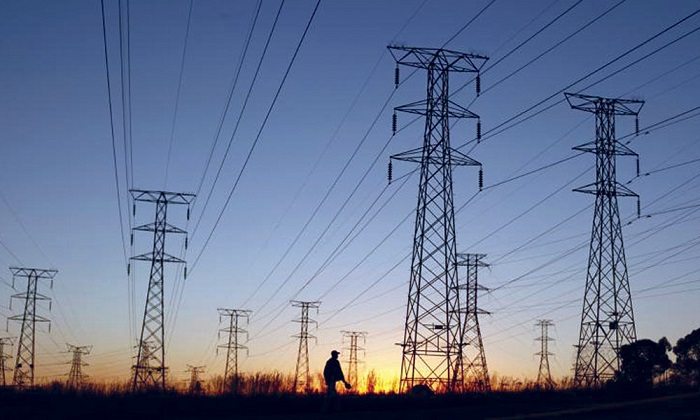
One of the sessions discussed the progress report on the implementation of Zambia, Tanzania, and Kenya (ZTK) Power Interconnector. The project is currently under implementation to interconnect the three countries thus creating a link between the Southern African Power Pool and the East African Power Pool. This will make it possible for transmission of power from Cape to Cairo.
According to a market study conducted on the project in December 2016, the link will make it possible to transfer as much as 600MW from Ethiopia, through Kenya to Tanzania and Zambia in the short-term and vice versa in the long-term.
Several sections of the power infrastructure have been completed with others at various stages of implementation. In November 2017, a financier’s conference for the raising of financing for the remaining sections will be held in Lusaka, Zambia.
In addition to the ZTK, other major interconnectors in COMESA region which are at various stages of development include the Ethiopia-Kenya; Egypt-Sudan-Ethiopia, Egypt-Sudan, and the ZIZABONA (Zimbabwe-Zambia-Botswana-Namibia) Interconnectors.
 Editorial Clarification and Apology: Prism Construction and the Emin Pasha Hotel Dispute
Under the transport infrastructure, the VICMED seeks to establish a development corridor anchored on the navigational route between Lake Victoria and the Mediterranean Sea. It involves 10 COMESA Member States namely; Burundi, DR Congo, Ethiopia, Egypt, Kenya, Rwanda, South Sudan, Sudan, Tanzania and Uganda.
The project is supported by the African Development Bank through Egypt as champion of the project. Apart from supporting the Pre-feasibility Study completed in May 2015, the AfDB provided further funding amounting to $650 000 through a loan agreement with Egypt for capacity building for the footprint States
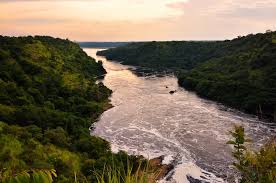
The full feasibility study requires about $17million to cater for the main Nile ($10million), Akagera River ($2million) and technical designs ($5million). COMESA Secretariat was tasked with playing a leading role in mobilizing resources for this purpose.
On ICT, the Committee will discuss the proposal by Mauritius for the establishment of Cybercrime capacity building centre in the country. The centre is expected to fast track the development of cybercrime policies within member countries.
Noting that the estimated financing requirement to close Africa’s infrastructure deficit amounts to USD 93 billion annually until 2020, Assistant Secretary General of COMESA, Dr Kipyego Cheluget said the implementation of Africa’s Vision of an integrated continent free of poverty is inextricably linked to the existence of infrastructure.
“The emphasis at regional and continental levels is on innovation and creativity, thinking outside the box to come up with feasible instruments to speed up the development of physical infrastructure,