

By Silvia Nyambura
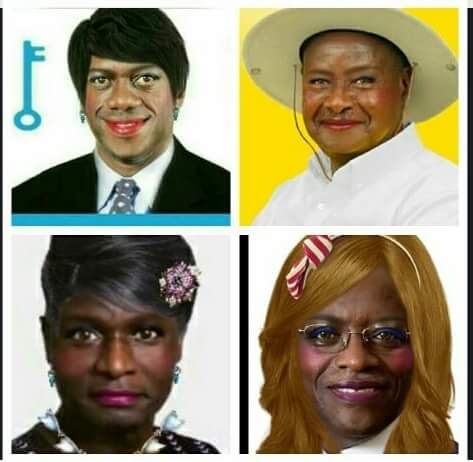
There is little meaningful use of social media for interaction in the ongoing campaigns. Currently, Ugandans are only spreading memes ridiculing the candidates but are yet to make full use of the social media platform. In addition, politicians lag behind in engaging the youth-who are the biggest consumers of these platforms- in the decision making process. This leads to disengagement, lack of interest in participating in the elections and lack of news consumption by this age group which makes up the largest number of voters.
According to Fatuma Abdulahi the Country Director for Internews Somalia and founder of online news wire Warya Post, Africans are too patient with politicians and their poor delivery of services.
“Despite this, there is an emerging power house that demands for more than tribal affiliations while making political decisions. The current electorate demands for more services, jobs, efficient use of taxes, better infrastructure, better security, more opportunities and so on,” she said.
Abdulahi was speaking at the 2nd annual public lecture held at the Golf Course Hotel in Kampala and organized by the African Centre for Media Excellence. She highlighted the role of media in politics explaining why social media is the way to go especially during this election period.
“Traditional media is usually one way, too formal with passive involvement, communication is controlled and the content polished. Social media however is more interactive. It is two way, open, transparent, uses informal unstructured communication and is user generated instead of producer generated.This allows for active involvement in community decision making ,” she added.
Giving examples of Libya and Egypt, Abdulahi highlighted the power of technology in giving a voice to the people and bringing about radical political changes.
Related
 Inside Zahid Mustafa’s Turnaround Playbook: How I&M Bank Tanzania Reclaimed Growth and Relevance
“The way news is produced and consumed is changing and so is the speed of producing it. Today, over 2,200 tweets are posted every second. Mobile phones have changed the way people communicate and the very nature of political discourse and debate can now be held on such platforms. The idea that government is too big to be criticized is what has held Africa back. Media houses should learn to be consistent and use high quality content on the social media sites so as to be relevant to the electorate,” Abdulahi advised.
However, the debate on traditional versus new media rages on. According to the AMISOM Spokesman Major General Barigye Ba hoku , social media has done more harm than good in Africa.
“New media is about headlines and it lacks details. It is unrealistic for a well researched investigative piece to come through social media. Media houses should learn to use the two types of media concurrently. Traditional media works well for deep analytical pieces while social media can be used to draw the attention of the readers,” he said.
Researchers however believe the future is in digital communications. They predict internet users on Mobile Phones will increase 20 fold in the next 5 years. In addition, declining prices of handsets and costs of data along with faster speeds will usher Africans into the digital age. In Uganda for example, there are about 23 million mobile phone users. 10.4 million of these are accessing the internet while about 5.6 million of these are using the internet through their mobile phones.
