In an age where modern life moves at relentless speed, meaningful experiences have become increasingly rare. The urban routine of meetings, traffic congestion, digital overload and endless schedules has created a generation of professionals and families constantly searching for spaces that feel authentic, grounding and emotionally restorative. Just over an hour from Kampala, tucked away in the calm landscapes of Naggalama in Mukono District, Ewaffe Cultural Village is quietly redefining what leisure, cultural tourism and experiential hospitality can look like in Uganda.

At first arrival, the destination does not overwhelm visitors with excessive luxury or dramatic architecture. Instead, it welcomes them with warmth, rhythm and familiarity. Traditional drums echo through the compound. Women dressed in vibrant gomesi and men in kanzu move gracefully to the rhythm of Bakisimba dance. Freshly prepared omubisi is served in calabashes. The air carries the scent of firewood, steaming matooke and earth softened by the countryside breeze. Within minutes, Kampala already feels distant.

The name “Ewaffe,” meaning “Our Home” in Luganda, perfectly captures the essence of the experience. The cultural village was established to showcase and preserve Buganda’s traditions through immersive tourism experiences that reconnect visitors to Uganda’s cultural identity. Beyond tourism, Ewaffe represents a growing movement toward experience-driven leisure rooted in authenticity, heritage and human connection.
A Different Kind of Luxury
For years, Uganda’s premium leisure market has largely revolved around safari lodges, lakeside resorts and urban hospitality spaces. While those destinations continue to thrive, a noticeable shift is taking place among modern travelers and corporate audiences. People are no longer seeking only comfort. They are seeking meaning. That shift has created growing demand for destinations that offer emotional engagement rather than passive consumption. Ewaffe Cultural Village thrives precisely because it delivers that emotional depth. Here, visitors do not simply observe culture from a distance but participate in it.

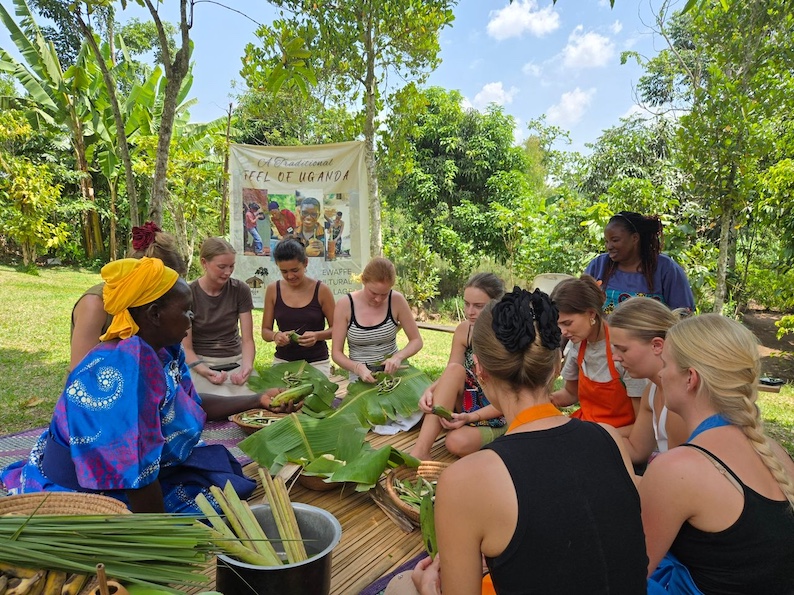
Guests learn how traditional dishes like luwombo are prepared, they walk through herbal gardens while guides explain indigenous medicinal plants. They fetch water from communal wells using clay pots, they listen to folklore beneath traditional huts. They make local juice, weave baskets and experience village life in ways many urban Ugandans themselves have gradually lost touch with. The experience feels less like tourism and more like cultural rediscovery.
Where Team Building Becomes Meaningful
One of Ewaffe’s most remarkable strengths lies in its growing appeal as a corporate and team-building destination. Across East Africa, companies are increasingly rethinking the structure of team retreats and staff engagement programs. Traditional conference-room workshops are slowly giving way to immersive experiences that encourage interaction, communication and emotional connection.
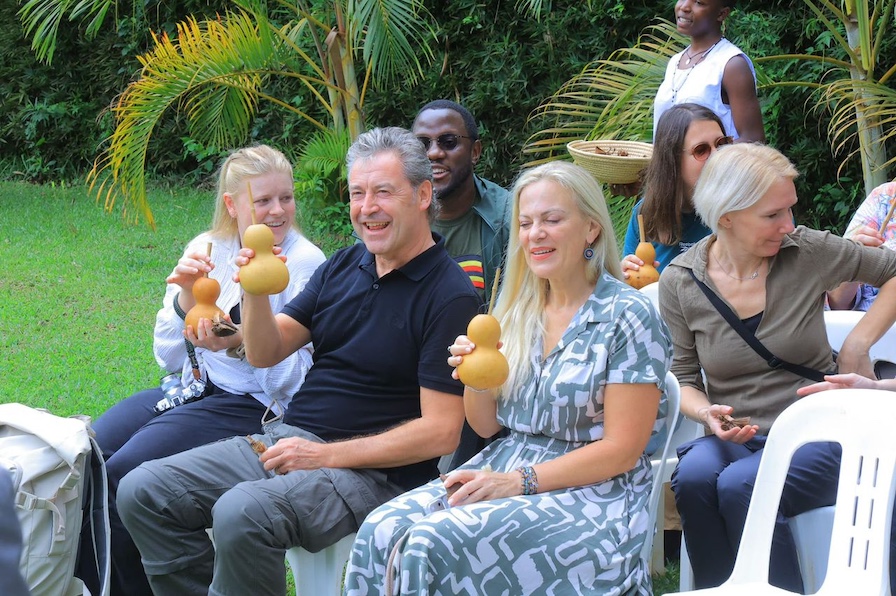
Ewaffe offers exactly that environment. Unlike formal corporate venues defined by presentation screens and hotel meeting halls, the village creates natural interaction through shared cultural experiences. Executives prepare food together. Teams participate in traditional games. Colleagues sit around storytelling sessions exchanging laughter outside the pressures of office hierarchy.

The environment naturally breaks down professional barriers. There is something uniquely powerful about watching senior executives attempt traditional dance routines, carry water pots or compete in indigenous games alongside junior staff members. Titles disappear, conversation becomes easier and human connection becomes genuine. This is where Ewaffe separates itself from conventional leisure destinations. It transforms culture into engagement for organizations seeking stronger team cohesion, employee wellness, staff appreciation experiences or unconventional corporate retreats, the village presents an experience far richer than standard hospitality packages. In today’s workplace culture, where burnout and disconnection are becoming increasingly common, those human-centered experiences are becoming extremely valuable.
The Revival of Cultural Tourism
Globally, cultural tourism has emerged as one of the fastest-growing sectors within the travel industry. Travelers increasingly want authenticity, local immersion, storytelling, food experiences and meaningful interactions with communities. Uganda possesses enormous potential within this space because of its cultural diversity and deep traditional heritage. Yet for many years, tourism marketing largely focused on wildlife and nature. Ewaffe is part of a new generation of tourism enterprises helping diversify Uganda’s tourism identity.
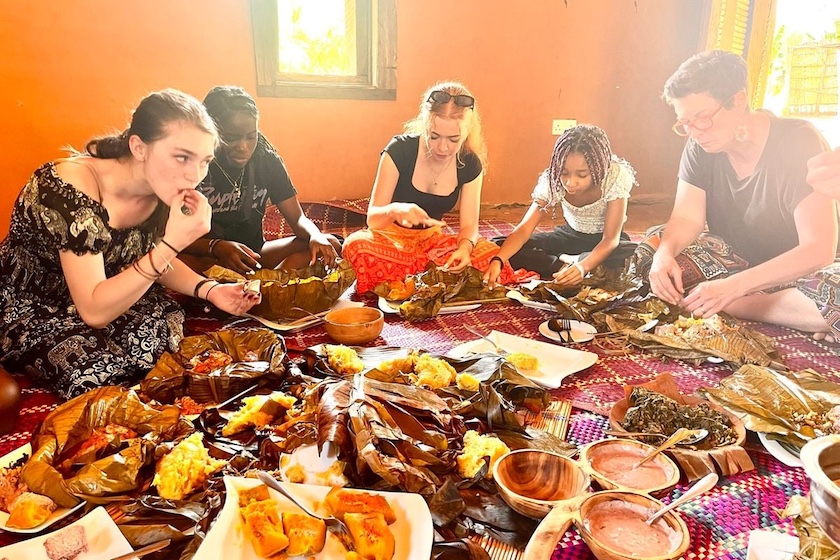
The village presents Buganda culture not as static history, but as a living experience. Visitors are introduced to traditional Kiganda dances such as Bakisimba, Nankasa and Muwogola while learning the deeper meanings behind the movements, songs and rituals. Meals are not merely served; they become cultural storytelling sessions. Traditional foods including; matooke, groundnut sauce, smoked meat, the famous luwombo and locally prepared beverages are explained within the context of Buganda’s social traditions and hospitality culture. The result is an experience that feels educational without becoming formal. That balance is extremely difficult to achieve in tourism.
A Space Designed for Families
Beyond corporate retreats and international tourists, Ewaffe has also become increasingly attractive to families searching for wholesome and educational leisure experiences. Modern family entertainment is often dominated by screens, malls and fast-paced urban recreation. Yet many parents are increasingly looking for environments where children can interact with culture, nature and community more meaningfully. At Ewaffe, children participate actively rather than passively.
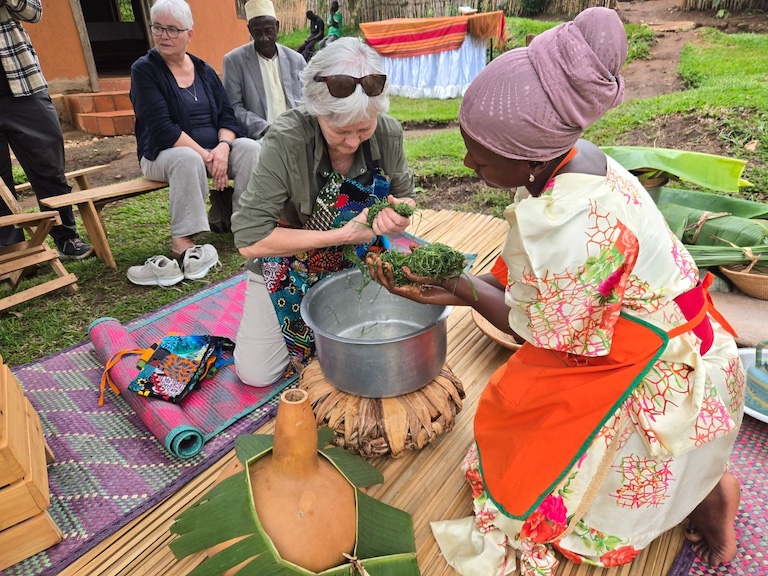
They learn traditional games, interact with local storytelling traditions. They observe food preparation from farm to table. They experience village routines many younger Ugandans have never encountered firsthand. For older generations, the experience often becomes deeply nostalgic. Parents and grandparents reconnect with traditions they grew up around but rarely experience within urban settings anymore. That emotional intergenerational connection gives the destination unusual depth. In many ways, Ewaffe functions not simply as a tourism product but as a cultural bridge between generations.
The Business of Preserving Identity
There is also a significant economic story behind Ewaffe’s success. Across Africa, cultural preservation is increasingly intersecting with tourism entrepreneurship. Communities are discovering that heritage itself possesses economic value when presented authentically and sustainably. Ewaffe Cultural Village has become an example of how local culture can generate employment, tourism revenue, community participation and educational impact simultaneously.
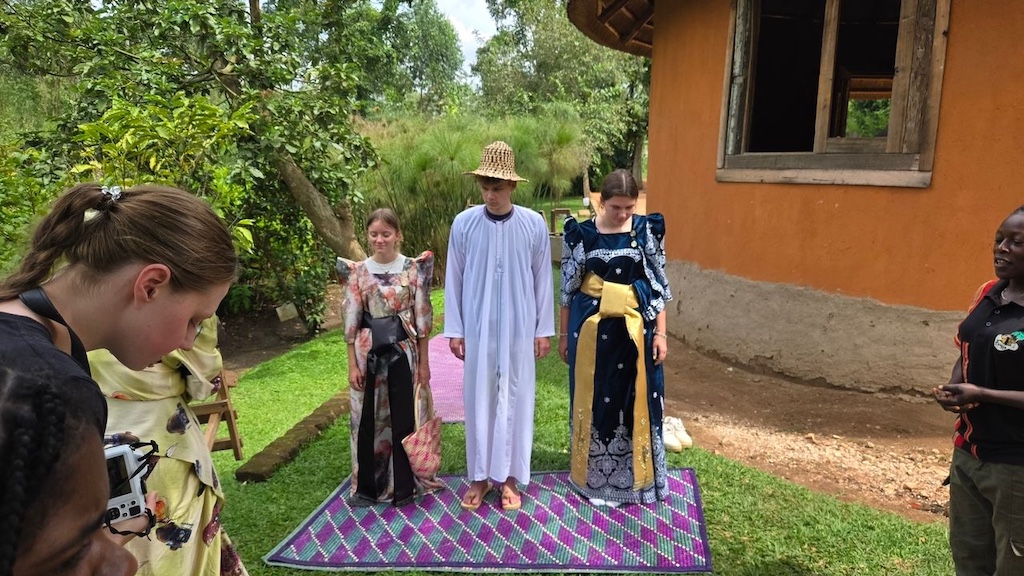
The village has received growing recognition within Uganda’s tourism sector, including recognition during World Tourism Day celebrations for its cultural tourism experience. That recognition reflects a broader reality that tourism is no longer only about destinations. It is about stories and few stories resonate more deeply than identity itself.
Why Experiences Like Ewaffe Matter
Perhaps what makes Ewaffe particularly important today is timing. Around the world, societies are grappling with cultural erosion accelerated by globalization, digital culture and rapid urbanization. Younger generations increasingly grow up disconnected from indigenous practices, languages and communal traditions.
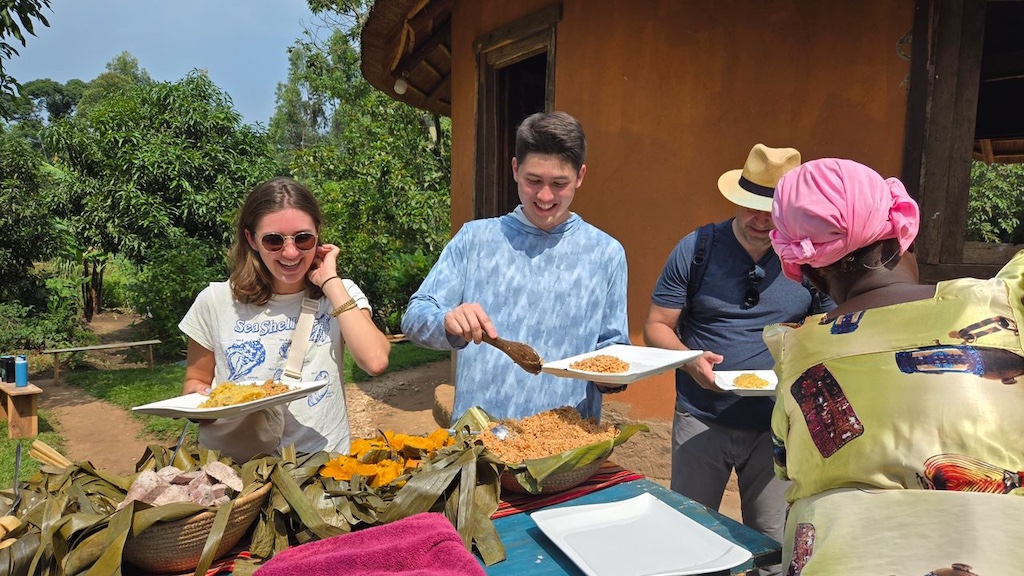
Destinations like Ewaffe create spaces where culture becomes accessible again. Not through textbooks, not through museums but through lived experience and that distinction matters enormously. A visitor who participates in traditional cooking, listens to folklore from elders or learns the symbolism behind Kiganda customs leaves with emotional memory rather than abstract information. And emotional memory lasts.
Uganda’s Leisure Industry Is Evolving
The rise of Ewaffe Cultural Village also signals something broader within Uganda’s hospitality and tourism landscape. Modern travelers increasingly value authenticity over excess, immersion over performance and emotional connection over spectacle. That shift creates enormous opportunity for destinations capable of offering meaningful experiences rooted in identity and community. Ewaffe has positioned itself intelligently within that evolution. It appeals simultaneously to corporate audiences, families, local tourists, international travelers, schools and cultural enthusiasts.

That diversity gives it strong long-term relevance within Uganda’s growing experiential tourism economy and most importantly, it reminds visitors that leisure does not always require escape into foreign experiences. Sometimes, the most meaningful journeys are the ones that reconnect people to home itself. At Ewaffe Cultural Village, culture is not displayed behind glass or preserved only in memory. It is danced, cooked, shared, laughed through and lived. In a rapidly modernizing world, that may be one of the most valuable tourism experiences Uganda can offer today.
Plan Your Visit with EDX Travel
Executive Destinations and Experiences Limited (EDX Travel) curates seamless, premium journeys including transport, accommodation, and bespoke itineraries for leisure travelers, families, and corporate groups.
Whether you are planning a private island retreat, a refined family escape, or an executive getaway, EDX Travel ensures every detail is handled with care, discretion, and professionalism.
📞 +256 751 395 326 | +256 775 716 808
📧 info@edx.travel
🌐 www.edx.travel