
By Galisonga K. Galisonga, (PhD)
While the government is to be commended for amending the Building Control Act, 2025, this is only the first step in addressing a crisis that has already claimed too many lives. While the current amendments focus on structural safety during construction, a critical gap remains: the regulation of material quality and long-term durability.
The “Off-Plan” Vulnerability
The rise of condominium projects in areas like Kololo, Naguru, Kira, etcetera, has changed how Ugandans buy homes. We have transitioned to a “finished product” market. Buyers often purchase apartments or studios “off-plan,” paying for structures they did not see being built. They expect these investments to last for 45 years or more, yet they have no way of knowing if the hidden components—the concrete mix, the rebar quality, and the internal engineering—are actually fit for purpose.
The Science of “Temporary” Strength
Modern engineering has made it possible to create buildings that pass initial inspections but fail the “test of time.” A structure may stay standing during the construction phase, only to succumb to corrosion, weather changes, and seepage within five years. For example, concrete does not work in isolation; it relies on a precise synergy with steel reinforcement, yet while the National Bureau of Standards (UNBS) regulates the quality and thickness of iron bars, we lack stringent bylaws governing:
a) Concrete Mix Ratios: The specific balance of cement, water, and stone quality.
b) Material Compatibility: How these materials interact to support pillars and slabs over decades, not just months.
Consequently, we have seen the disturbing trend in areas like Najjeera and Ntinda. Apartments built as recently as 2010 or 2015 already look a century old. Water seeps through walls, compromising structural integrity and devaluing the owner’s life savings.
The Case for Mandatory Warranties
In a liberalised economy, housing is sold as a product. In other jurisdictions, especially the UAE, a country with robust real estate development laws, finished products come with a mandatory warranty period. If a developer sells a house, they should be legally required to guarantee the integrity of:
Related
 Looking Over the Fence: Kenya's transparent judicial appointments and Uganda's troubling secrecy
a) Structural Elements: Protection against wall failure and seepage for a set number of years.
b) Fixtures and Amenities: A guaranteed lifespan for wardrobes, doors, locks, and plumbing.
Why this is a Government Matter
Some may argue that buying a house is a private transaction between a developer and a buyer. However, when citizens lose massive amounts of capital to “rip-off” projects, where mud and wattle are disguised with a thin layer of plaster, it becomes a national economic issue. That capital, once lost to repair or structural failure, is money diverted from other productive sectors of the economy.
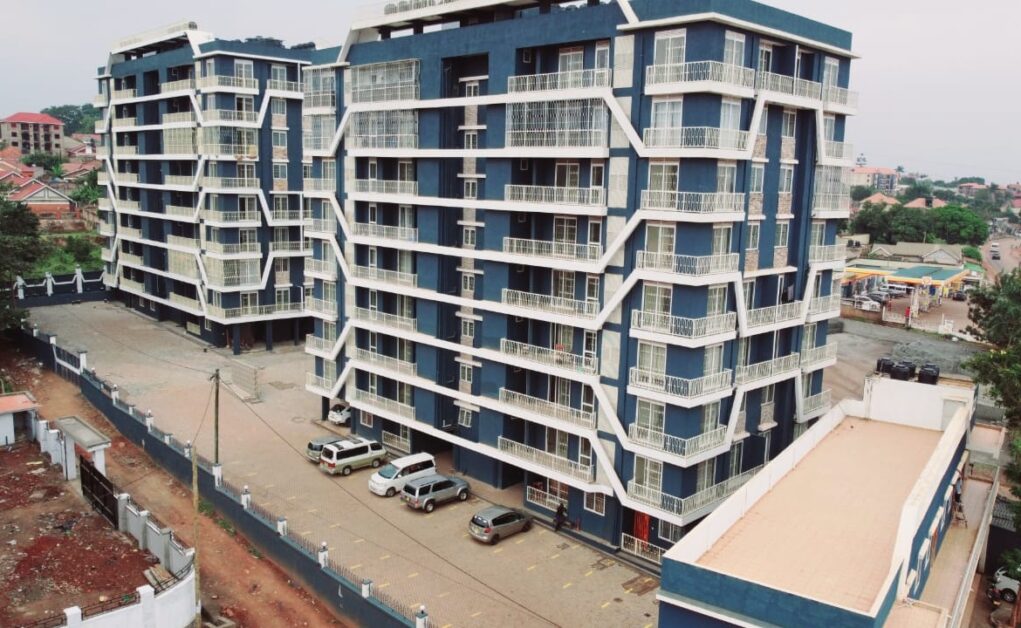
Furthermore, many large-scale condominium developers are foreign investors. Without strict regulations and penalties, these investors can sell poorly constructed units and exit the country, leaving Ugandan citizens with decaying assets and no legal recourse.
Call to Action
The Minister responsible for Housing and Construction, and the National Bureau of Standards, must look beyond the current Act and introduce specific bylaws for material regulation. We need:
- Minimum Performance Standards: Clear expectations of how a building should withstand the elements over a 10-year horizon.
- Strict Penalties: Fines and legal consequences for developers who fail to comply with material standards.
- Consumer Protection Guarantees: Mandatory insurance or warranties on all condominium products sold to the public.
The government has started the journey. Now, it must ensure that the “permanent” homes being sold to its people are truly built to last.
Galisonga K. Galisonga is a Ugandan litigation and construction law specialist, currently serving as Chief Executive Officer of the Strand Centre for Effective Dispute Settlement (SCEDS) (since May 2025) and as a Construction Law and Dispute Resolution Lawyer at Strand Advocates. His specialist areas include construction law, dispute resolution, civil litigation, legal research, and legal writing, with a strong focus on handling complex commercial and infrastructure-related disputes.