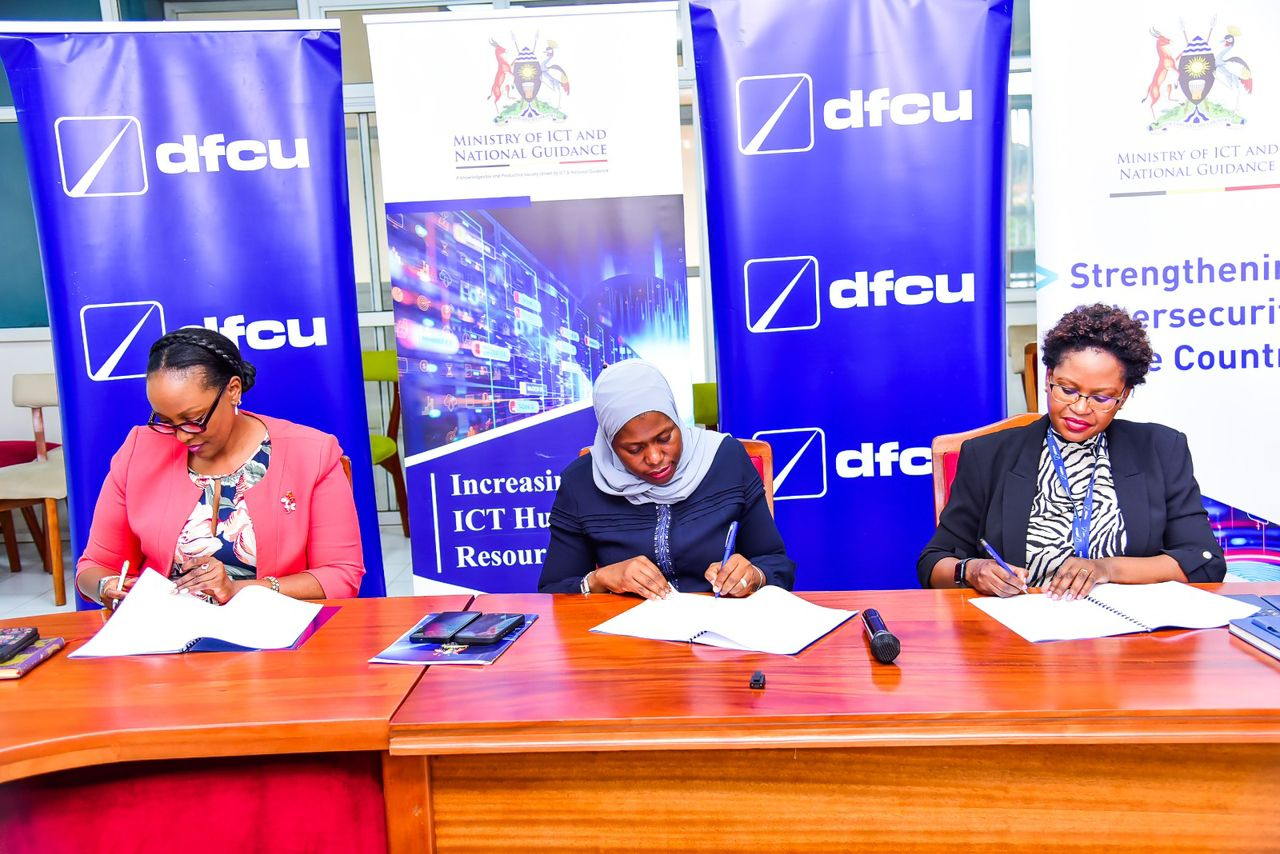
On a bright Tuesday morning at the National ICT Innovation Hub in Kampala, a quiet but powerful shift unfolded, one that could shape the digital destiny of Uganda’s young population.
Laptops clicked open, journalists shuffled into position, and two signatures met paper.
With that, a new partnership between the Ministry of ICT and National Guidance, dfcu Foundation, and dfcu Bank officially came to life.
It was more than a ceremonial memorandum of understanding, but a promise to empower millions of young Ugandans who dream in code, think in innovation, and hustle through a digital world that, too often, they cannot fully access.
A nation hungry for digital tools
Uganda is one of the youngest countries in the world. More than 70% of its 45 million citizens are under the age of 30. Yet in many secondary schools, the “computer lab” consists of ten machines shared by close to 5,000 students.
A single desktop becomes a window to the world for 100 learners.
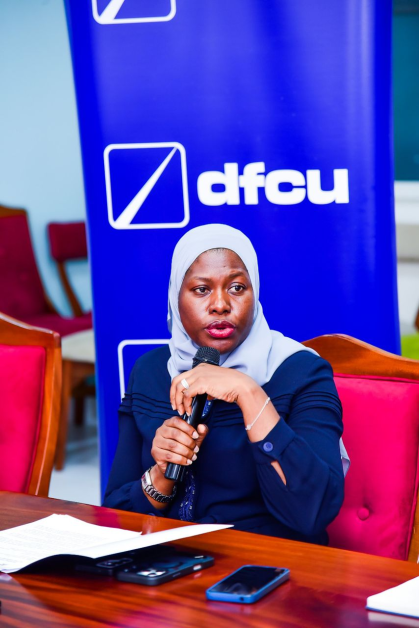
For Dr Aminah Zawedde, Permanent Secretary of the Ministry of ICT and National Guidance, this is a challenge that can no longer be ignored.
“Digital devices form the very foundation of digital inclusion,” she said. “What is ICT without a smartphone, a computer, or a laptop?”
Uganda’s Digital Transformation Roadmap has ambitious goals, expanding digital skills, strengthening cybersecurity, building innovation ecosystems, and bringing government services online.
But none of that is possible if students, innovators, and entrepreneurs lack access to the basic tools of the digital age.
A partnership rooted in action
Thus, the dfcu partnership is timely, intentional, and unusually practical.
dfcu Bank will donate 100 refurbished computers, machines that have finished the bank’s three-year IT cycle but are still in excellent condition.
Instead of gathering dust in storage, they will now power dreams in ICT hubs, schools, and community enterprises.
Dr Zawedde sees this as a model for other institutions: “While government cannot replace its devices frequently, these refurbished computers can serve effectively for up to five years.”
dfcu Foundation is adding depth to the hardware donation. Every computer will come preloaded with SOMA, a digital learning platform offering 15 self-paced modules that cover financial literacy, business growth, governance, and entrepreneurship.
It’s a resource built with Uganda’s young innovators and emerging business owners in mind.
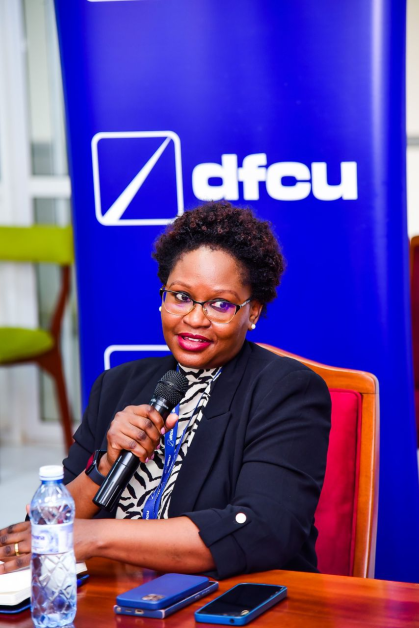
“The goal is not just to give devices,” said Mable Ndawula, Executive Director of dfcu Foundation. “It’s to ensure people have the skills and guidance to use them productively.”
 Stanbic Accelerates Uganda’s Digital Future with “Kikole Ku Speedii” Campaign
Building more than skills
The Ministry’s Innovation Hubs in Kampala, Kabale, Soroti, and Muni, soon expanding to Gulu, Busitema, and Fort Portal, have become fertile ground for the country’s tech talent.
Young innovators come with ideas ranging from agritech platforms to digital health solutions. What they often lack is equipment, business support, or the digital literacy needed to scale their work.
dfcu Bank’s role goes even further, providing financial literacy training, access to digital financial tools, and pathways to credit.
Helena Mayanja, the dfcu Bank head of corporate affairs & Sustainability, said the partnership is part of a bigger vision.
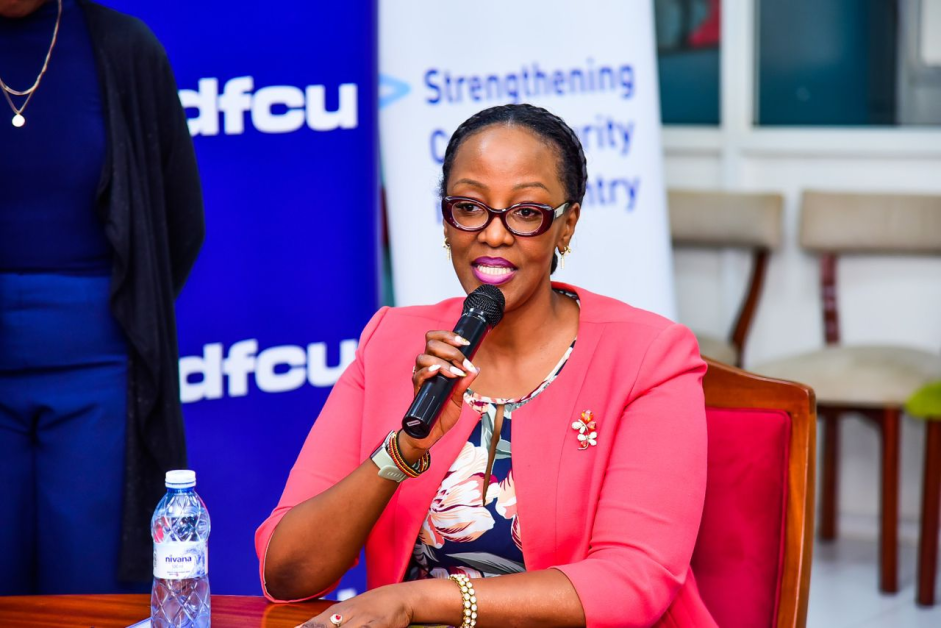
“Technology creates real impact when it enables innovators, entrepreneurs, and young people to build resilient businesses,” she said. “This is about strengthening livelihoods and creating long-term opportunities.”
A 100-day sprint to real impact
To ensure immediate progress, the partners unveiled a clear 100-day implementation plan.
The first month will focus on assessing the needs of 140 women-led digital businesses already connected to the Ministry.
Using the Rabo Tool, designed with the Rabo Foundation, dfcu will map out each business’s maturity, challenges, and opportunities.
The second month will pilot the programme in the Central Region, linking entrepreneurs to digital banking and structured financial literacy training.
The following months will deliver technical mentorship and targeted support. By the end of the 100 days, a comprehensive report will show what worked, what needs to improve, and how the partnership can scale to more regions.
A turning point for the digital journey
The partnership sits squarely within Uganda’s big-picture ambitions: the Digital Uganda Vision and the Digital Transformation Roadmap.
These national frameworks aim to boost digital literacy, expand e-government services, and build a robust ecosystem where innovators thrive.
Dr Zawedde calls the collaboration an example of “government working with efficiency and private-sector standards.” It is a union of strategy and sustainability, ambition and action.
As Uganda steps deeper into the digital age, partnerships like this will determine not just who gets online, but who gets ahead.
And in rooms like the Innovation Hub in Kampala, where young people tap away at keyboards, brainstorming apps and designing prototypes, the future is already taking shape. One refurbished computer at a time.