
Coaching is no longer a luxury. It has become a strategic enabler in boardrooms and team meetings, helping uncover layers of conversation that traditional management or leadership often missed.
Every employee deserves the chance to bring their best to the table.
Yet, in many workplaces, coaching remains the preserve of C-suite executives and board members—largely because of the high investment required.
Gloria Kamukama, Project Coordinator at Girls for Girls (G4G), once believed coaching was reserved for executives or those in crisis.
Today, she appreciates its value in shaping leaders.
“You lead in different spaces and with people of diverse personalities. Coaching skills remain relevant as you grow through the ranks or change teams,” she says.
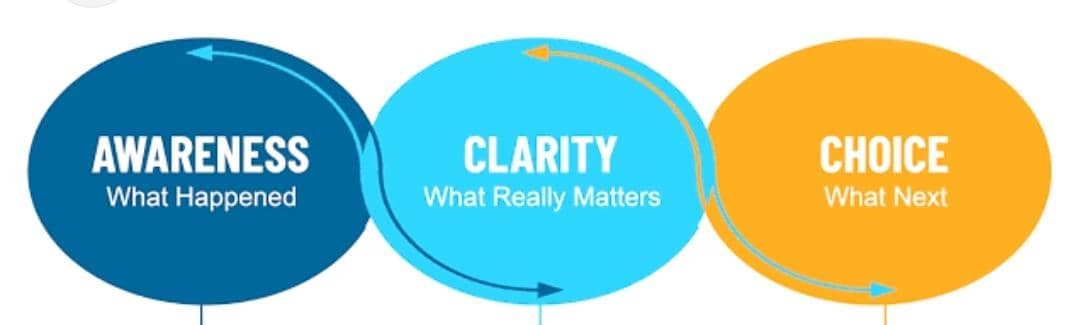
Redefining workplace conversations
According to HR practitioner Ruth Ndwiga, coaching shifts the focus of workplace conversations.
Instead of zeroing in on errors and wins during performance reviews, coaching helps individuals tap into their own abilities to solve problems.
This ownership fuels engagement, productivity, and growth.
“With coaching, people bring their best to work because they don’t feel alienated. Absenteeism has reduced, and work has become more enjoyable,” she note.

The manager’s dilemma
For Abdul K. Makubuya, Senior Manager of Organisational Development at NSSF, managers often avoided performance discussions because they were difficult.
Many employees reported receiving little help from managers, even on career growth.
“Managers struggled partly because some felt threatened, but more often because they had never been trained to shift from technical expertise to people management.”
Thus, he says: “Without that transition, powering team growth was nearly impossible.”
Certified coach Joan Mugenzi recognised this gap. Encouraged by a friend after becoming a Master Certified Coach, she embraced coaching as a way to create thinking space.
“If managers actively listen without rushing to give solutions, they allow employees to think – and that’s when the workplace thrives.”
Makubuya agrees: when managers do all the work themselves, they lose perspective. But when they guide teams to self-develop, growth happens more sustainably.
Goal-setting with ownership
Equipping leaders with coaching skills weaves coaching into the fabric of the workplace.
Instead of managers dictating KPIs, coaching fosters conversations where employees articulate their aspirations. Together, they turn these into actionable goals.
“This approach ensures team members own their goals because they set them,” says Ndwiga, also a certified coach.
“Every employee brings unique skills and experiences – even within similar roles. Coaching brings those abilities to life.”
At NSSF, where 50 internal managers received coaching training, employee engagement scores have “improved greatly.”
Unlocking collaboration and innovation
When workplace conversations are more open, colleagues see each other as partners rather than competitors.
This strengthens relationships and sparks innovation, as employees feel free to express ideas.
“Many rise to managerial roles because of technical skills,” Mugenzi observes.
 Stanbic Accelerates Uganda’s Digital Future with “Kikole Ku Speedii” Campaign
“But once there, the dynamics change—you must manage people who manage the processes.”
Ndwiga stresses that organisations don’t need to hire external coaches.
Instead, line managers, team leaders, and HR professionals should be equipped with basic coaching skills – just as offices designate fire marshals or mental health champions internally.
“The workplace has changed,” she says. “Team members are no longer subordinates taking instructions. They’re collaborators whose voices and ideas matter.”

As managers recognise that results come through people, they shift from controlling resources to enabling contribution – multiplying leadership capacity across the organisation.
Retention, belonging, and succession
Coaching has also emerged as a powerful tool for retention. “It creates safe spaces where employees feel part of a bigger picture rather than cogs in a system,” says Ndwiga.
Relationships become more authentic, and dismissals feel less personal.
This strengthens succession planning, too. Leadership is no longer tied to rigid structures, but to the recognition of each employee as a resource.
With this approach, fulfilment and belonging increasingly matter as much as salary.
Coaching also fosters self-awareness, emotional intelligence, and confidence, qualities that ease decision-making and empower employees to take initiative, especially those in client-facing roles.
Moreover, workplaces become more adaptable and innovative. Employees experiment, take risks, and learn from failure in a supportive environment. Mental health improves as teams feel heard and guided.
From telling to unlocking potential
At Girls for Girls, Kamukama has seen coaching’s transformative power.
“With the Workplace Coach Programme tools, I can now ask the right questions at the right time to help individuals unearth their own answers.”
She notes that coaching creates clarity when emotions cloud thinking. “As a coach, I may never fully understand someone’s pain, but I can guide them toward their own solutions.”
G4G is now working with Imagine Me Africa to embed coaching into its mentor training programme, amplifying its impact on women across communities.

Coaching for growth
At NSSF, the first 25 managers trained in coaching reported richer conversations and higher engagement, with scores improving from 85% to 95%.
Managers began asking sharper questions, encouraging accountability, and reducing dependence on their own solutions.
This shift fostered collective improvement and healthier team dynamics. NSSF also leverages internal secondments, giving employees hands-on leadership experience during temporary cover.
These six-month rotations prepare staff for permanent leadership roles, ensuring continuity and succession.
Through coaching, Makubuya has witnessed growth at both team and organisational levels. Guided conversations have nurtured a culture of adaptability, readiness, and continuous learning.
Thus, ultimately, coaching is not a passing trend but a strategic enabler of productivity, fulfilment, and sustainability.
It is the difference between workplaces that merely function – and those that truly thrive.
If you want to embed coaching in your workplace, start here
- Train your managers first – Equip line managers, team leaders, and HR with basic coaching skills. They’re the ones shaping everyday conversations.
- Shift the focus from telling to asking – Encourage leaders to ask powerful questions that help employees find their own answers instead of rushing to give solutions.
- Make coaching part of performance conversations – Replace one-sided reviews with collaborative goal-setting, where employees define aspirations that align with company objectives.
- Create safe spaces for dialogue – Foster environments where employees feel heard, valued, and unafraid to share ideas or challenges.
- Model coaching behaviours at the top – Let senior leaders demonstrate active listening, empathy, and openness, showing that coaching isn’t just for junior staff.
- Build coaching into daily workflows – Treat coaching like fire marshals or mental health champions—normalise it as part of how teams function, not as a one-off programme.
- Measure impact and adjust – Track engagement, retention, and innovation outcomes to see what’s working, then refine the coaching approach continuously.