Uganda’s central bank is set to commence buying gold almost a year after announcing its domestic gold purchase programme, marking a significant shift in the country’s approach to reserve management and mineral sector policy.
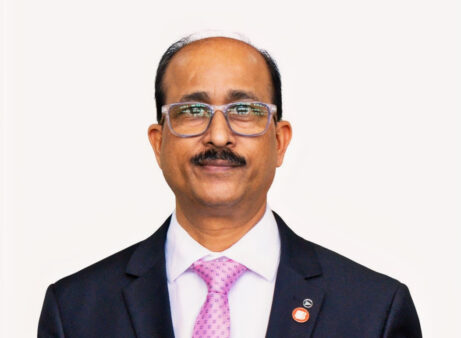
“We will soon begin buying gold,” said Bank of Uganda Governor, Michael Atingi-Ego, during a brief interview with CEO East Africa on the sidelines of the Annual Bankers Conference held yesterday at the Kampala Serena Hotel Conference Centre.
Although the Governor, who appeared pressed for time, did not delve into the specifics of how the gold buying process would be rolled out, his remark signal a long-awaited operationalisation of a policy that has generated considerable interest across various stakeholders.
His statement coincides with renewed momentum in Uganda’s mineral sector, notably yesterday’s launch of the Euro Gold Refinery (U) SMC Ltd in Kampala by Energy Minister Ruth Nankabirwa.
The refinery is one of only three licensed gold refineries in Uganda and is positioned to handle high-purity gold refining.
“As a country, we are ready for responsible mineral beneficiation. With refineries like Euro Gold Refinery, it reaffirms our commitment to transparency, industrialization, and attracting credible investors for sustainable growth in our mining industry,” Nankabirwa said.
The Bank of Uganda’s domestic gold purchase programme, which was first unveiled last year, was well received by miners, civil society, and policymakers alike.
Many believe that the programme could be pivotal in streamlining a sector often marred by gold smuggling, exploitation by unscrupulous middlemen, unfair pricing, and lax regulation.
In a statement emailed to CEO East Africa Magazine last year, the Bank of Uganda communications team noted that the central bank was in the process of operationalising the pilot programme.
This followed visits to gold mining districts such as Buhweju, Kassanda/Mubende, and Busia, where the bank held workshops with miners to clarify various aspects of the programme.
“The Bank is currently pre-qualifying suppliers and working on other internal arrangements to start purchases as soon as possible,” the statement read in part.
By August 2024, the Bank had developed an operational framework that detailed the programme’s structure, including its pricing model and compliance requirements.
The programme is aimed at strengthening Uganda’s foreign reserves while minimising risks associated with international reserve investments.
 Uganda Receives 8 U.S Deportees under Safe Third Country Agreement
It will involve purchasing gold directly from artisanal and small-scale miners, a move intended not only to bolster the livelihoods of miners but also to create positive ripple effects across the broader economy.
The Bank first laid out the contours of the programme in its State of the Economy report for the three months to May 2024.
The report emphasised the programme’s alignment with broader government initiatives around value addition to minerals and the import substitution strategy, particularly by reducing the need to import raw gold.
In a July interview with the BBC, Deputy Governor Atingi-Ego elaborated on the rationale behind the programme.
He cited operational challenges faced by the central bank in light of increasing economic shocks, including external debt servicing burdens, rising imports, dwindling capital flows, and persistent pressures on the Ugandan Shilling.
“Some of these shocks have resulted in the dwindling of our reserves because there has been a light build-up of external debt servicing, the rise in import of goods and services, a sustained drop in capital flows, and significant pressures on the exchange rate,” Atingi-Ego explained.
He noted that the bank was exploring ways to mitigate the decline in forex reserves by leveraging Uganda’s natural resources.
According to the Deputy Governor, the price of gold under the programme will be influenced by several factors. These include the purity of the gold and the timing of deliveries.
Suppliers will be required to notify the central bank in advance about the quantity of gold they intend to supply.
“The price shall be determined using reputable international gold trading platforms such as the Bloomberg Composite Gold Index, and the price will be translated into Uganda Shillings,” Atingi-Ego told the BBC.
As Uganda now moves to implement the gold purchase programme, all eyes will be on the Bank of Uganda to see how effectively it can transform the mineral’s potential into a strategic financial buffer while addressing long-standing inefficiencies in the gold supply chain.