The European Patent Office (EPO) has selected two Ugandans as part of the top 10 global innovators for the first standalone edition of the Young Inventors Prize 2025.
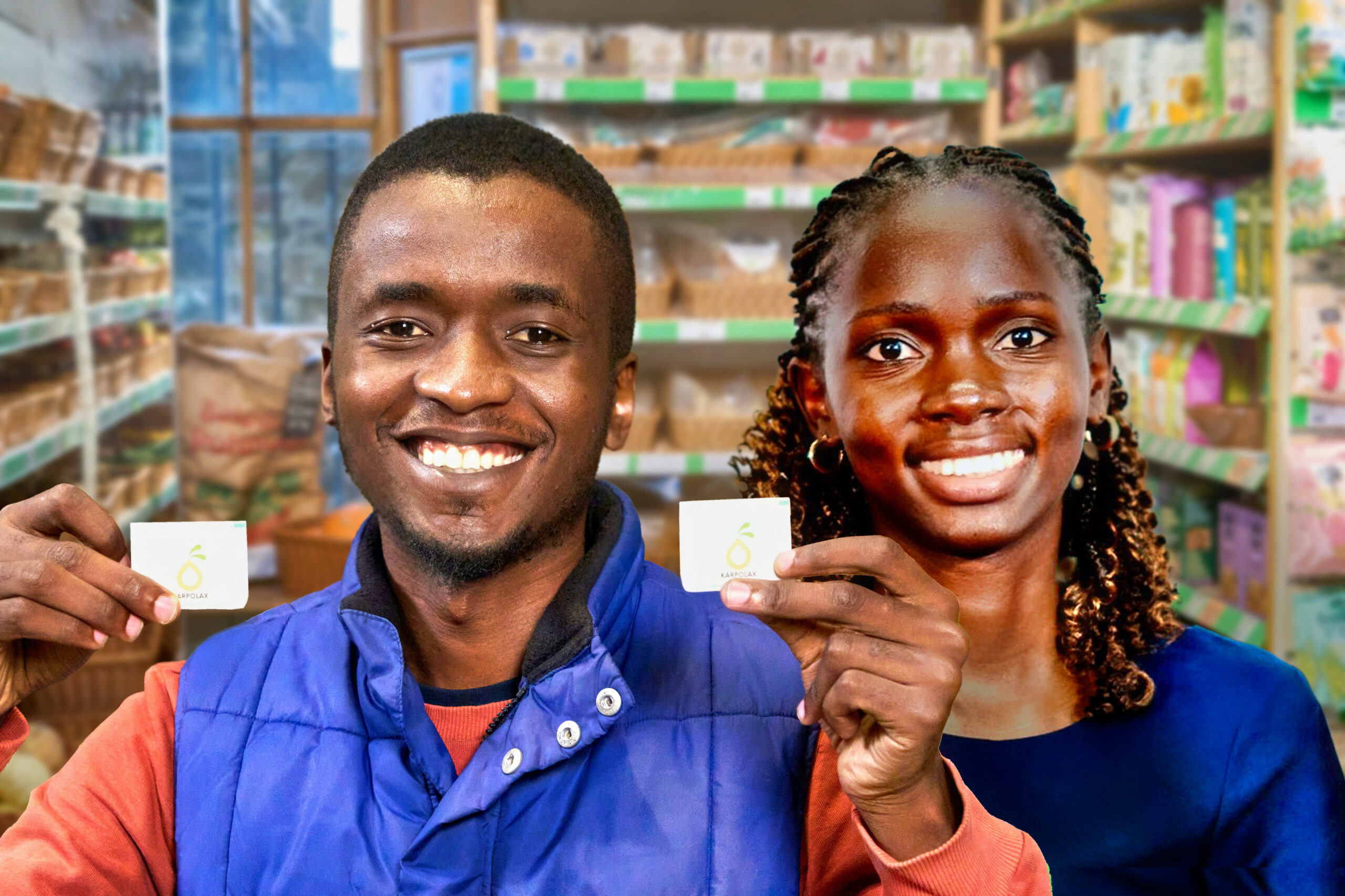
Sandra Namboozo and Samuel Muyita, who created Karpolax, a biodegradable sachet that extends the shelf life of fresh produce by slowing down fruit ripening, reducing food waste and supporting smallholder farmers, are among the top 10 innovators – known as Tomorrow Shapers are under 30 – were selected from over 450 candidates by an independent jury, with their work showcasing the transformative power of technology in addressing global challenges.
The two, who grew up in farming families and saw firsthand the challenges of post-harvest losses, which have a devastating impact on the profit of small-scale farmers, met while studying at Makerere University, where they quickly bonded over a shared ambition to reduce food waste.
Determined to find a natural and more affordable alternative to synthetic preservatives, they developed sachets, which release a blend of plant-derived volatile organic compounds to slow ripening and prevent spoilage.
The compounds – extracted from cloves, lemongrass, eucalyptus and wintergreen – inhibit ethylene production, the natural gas responsible for fruit ripening, and offer protection against, fungi and bacteria.
The solution allows controlled and sustained release of these compounds, tailored to different fruit types, thereby providing a biodegradable alternative to conventional artificial preservatives.
Pilot tests conducted with Uganda’s National Agricultural Research Organisation showed that mangoes stored with the sachets remained fresh for 33 days, while those without lasted only 11 days.
The sachets have since been successfully used on bananas, apples, and oranges. Karpolax is particularly suitable for smallholder farmers and local markets, offering a cost-effective and locally accessible way to reduce food waste and increase earnings.
Protecting innovations
“Farmers are one of our biggest customer groups. We wanted to use our knowledge and technical skills to develop something that would not just end on paper but be used by somebody,” says Namboozo.
Karpolax was launched in 2020 and is expected to expand its reach across Africa, targeting Kenya, Rwanda and beyond.
 Equity Bank Rwanda Hit by Fraud, Months After Group CEO, James Mwangi’s Integrity Crackdown
“Starting from zero, you need to source that funding yourself. We had some supervisors from the university who supported us and made us feel confident that we could succeed,” Muyita says.
By 2023, Karpolax had already worked with over 100 farmers, 20 exporters and 250 market vendors, and the developers are now expanding their product lines to include sachets for pineapples, capsicum and berries.
Celebrating innovation in Reykjavik
The Young Inventors Prize 2025 celebrations will take place in Reykjavik in Iceland, on 18 June, with the World Builders prize for initiatives driving sustainability and circular economies, the Community Healers prize for projects ensuring equal access to essential resources, and the Nature Guardians prize for efforts protecting ecosystems expected to be awarded.
While the overall winner, who will be selected through an online public vote, awarded the People’s Choice winner.
European Patent Office, President António Campinos said the Young Inventors Prize celebrates the achievements of young innovators and also underlines their transformative power of technologies and science in shaping a sustainable future and inspiring generations to come.
Karpolax will be competing against other innovations, including E-waste tackling solutions through paper-based electronic device parts developed by Austrian industrial designer Franziska Kerber, Sustainable aviation sealants, developed by a Filipino aeronautical engineer Mark Kennedy Bantugon, and Revolutionising rare earth recycling developed by French-American chemist Marie Perrin.
Other competing innovations will include Capturing pollutants and improving air quality, developed by Colombian entrepreneur Mariana Pérez, AI-designed enzymes for industry and healthcare, developed by Lithuanian researchers Laurynas Karpus, Vykintas Jauniškis and Irmantas Rokaitis; and Smart labels to reduce food waste and food poisoning, developed by Spanish inventors Pilar Granado, Pablo Sosa Domínguez and Luis Chimeno, among others.
The above innovations speak to sustainability, healthcare, and industry, aligning with the United Nations Sustainable Development Goals.