In the Ugandan business world, a few people epitomize Warren Buffett’s timeless advice like Charles Mbire, a quietly dominant billionaire, cofounder and Board Chairman of MTN Uganda.
In 2024 alone, Mbire is expected to earn a staggering UGX 20.23 billion in dividends from his 4% stake in MTN Uganda, the country’s largest and most profitable listed company. While others hustled through boardrooms and budgets, Mbire’s MTN shares paid him UGX 55.4 million every single day—including weekends, holidays, and the hours he was asleep.
That’s right—Mbire earned more in his sleep than many CEOs and businessmen take home in a year.
Making Money While Sleeping
Mbire epitomises Warren Buffett’s legendary quote, “If you don’t find a way to make money while you sleep, you will work until you die.”
In 2024, MTN Uganda announced a dividend payout of UGX 22.6 per share, based on its 22.39 billion outstanding shares. With Mbire holding 895.56 million of those shares, his dividend earnings for the year amounted to a staggering UGX 20.23 billion. That translates to UGX 1.69 billion every month, UGX 389 million each week, and a steady UGX 55.4 million per day.
Even while he slept, Mbire was earning UGX 2.3 million every hour—or roughly UGX 643 every single second. MTN Uganda: The Golden Goose
MTN Uganda has firmly established itself as a dividend-generating powerhouse. In 2024, the company reported total revenue of UGX 3.17 trillion, marking an 18.9% increase from the previous year. Net profit soared to UGX 641.5 billion, reflecting a 30.1% growth. In line with this performance, MTN declared a total dividend payout of UGX 506 billion, equivalent to UGX 22.6 per share. Consequently, the company’s share price has been on a steady upward trend, closing this week at UGX 272.98. This gives MTN Uganda a market capitalisation of UGX 6.11 trillion. Mbire’s personal stake in the company is now valued at UGX 244.47 billion—and that represents just a fraction of his wider business empire.
The Billionaire with Many Engines
Mbire may be best known as MTN Uganda’s longest-serving Chairman and a founding investor, but his financial footprint extends far beyond telecommunications. Through a blend of listed and privately held companies, he maintains strategic interests across multiple sectors, including telecommunications, banking and finance, energy and utilities, real estate and construction, as well as oil, gas, and mining. Many of these interests are held through trusts and layered corporate structures, making it challenging to determine his exact net worth. What is certain, however, is that MTN represents only the visible peak of a much larger and deeply rooted business empire.
When Luck Meets Preparedness: How Charles Mbire Turned Hustle, Grace and Grit into a Billionaire Breakthrough
But Charles Mbire wasn’t always the billionaire boardroom titan we know today, nor was he born with a silver spoon in his mouth. Long before his shares in MTN Uganda started earning him millions as he slept, he was just a young man with a dream, a mountain of energy, and very little money. His journey to the top is a winding tale of faith, hustle, hard knocks—and the kind of divine timing that only a mix of luck and God’s grace can explain.
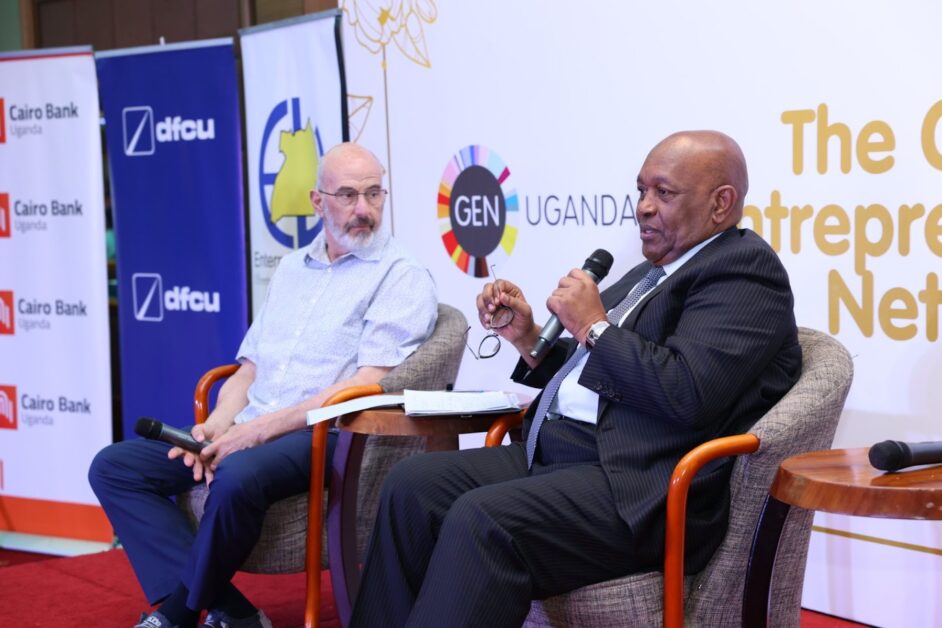
As he told a room full of young entrepreneurs at the Global Entrepreneurship Network (GEN) Uganda and Enterprise Uganda dinner on February 25, 2025, there was a time when he had nothing but the support of family, a few important relationships, and sheer force of will to keep moving forward. People took a chance on him when all he had was potential, not a balance sheet. Others vouched for him because of the strength of his integrity—not the weight of his wallet.
In his own words, Mbire started “on zero”—selling his house, and his farm, and cashing in on every asset to raise money for MTN’s founding capital call. And when banks slammed their doors in his face, one bold South African banker at Stanbic Bank Uganda, said yes, purely based on instinct and Mbire’s raw conviction. There was no safety net—just a determined man trying to bet big on a dream no one else could see. It was not just money that opened doors—it was humility, honesty, and references earned through respect and character. And as he puts it, sometimes God himself sits on your boardroom table when the odds are against you. That is the foundation of his philosophy on wealth: it’s not just about making money, but also about how you build it, grow it, and most importantly—how you keep it.
Charles Mbire’s 8 Key Lessons on Making, Growing, and Retaining Money
Behind every billion earned is a billion lessons learned. For Charles Mbire, Uganda’s most iconic investor and boardroom titan, wealth has been a mix of clarity of vision, courage, and character, with some tinge of luck or timing. From high-stakes deals in telecom to chance encounters with global elites, Mbire’s journey offers rare insights into how fortunes are truly built—and how they last.
Speaking to young entrepreneurs at a private GEN Uganda networking dinner, he distilled decades of wisdom into timeless, battle-tested principles. These aren’t theories—they’re lived truths, forged in the fire of real risk.
Here are Charles Mbire’s 9 essential lessons on making money, growing it smartly, and—most importantly—keeping it.
Lesson 1: Know the Direction of Money—Not Just the Hustle
In the rush to succeed, many young entrepreneurs fall into the trap of chasing money blindly—running faster on a treadmill that leads nowhere. But for Charles Mbire, one defining moment during his university years in the UK rewired his mindset.
He was wrapping up his undergraduate studies at the University of Essex when he was offered a fully funded Master’s scholarship. It sounded like a dream. But Mbire, strapped for cash and eager to return to Uganda, declined the offer. Seeing his restlessness, a Czechoslovakian professor, Dr. Kiosk, pulled him aside and taught him a life-altering principle: “Money in an economy is a constant. The trick in life is knowing the direction”.
That advice was the spark. Mbire realised that success is not about running harder; it’s about running smarter—towards opportunity, not away from scarcity. It’s about positioning yourself where money and value are flowing.
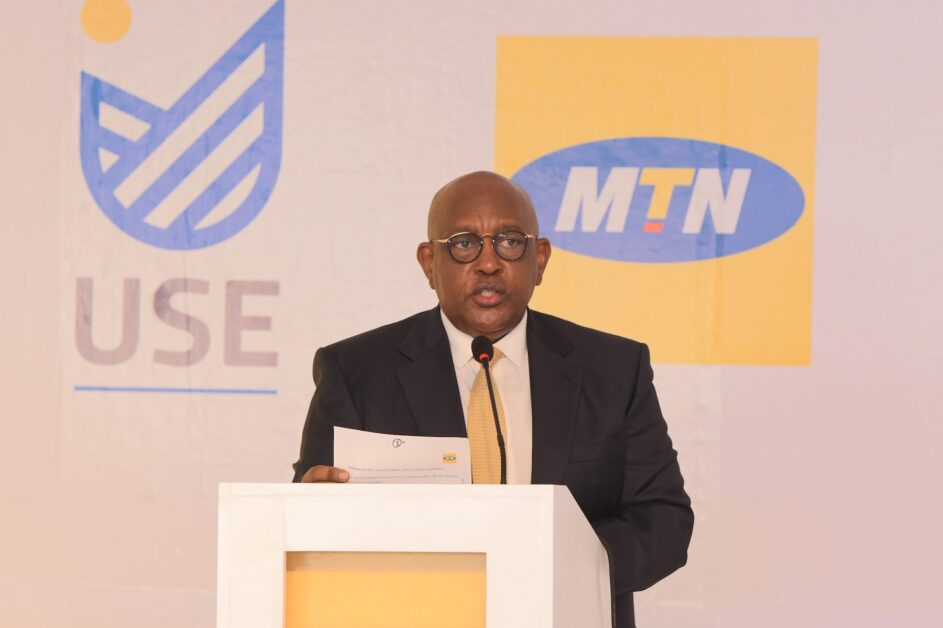
This insight later shaped how he approached the MTN opportunity. While many investors looked at Uganda and only saw poverty, low GDP, and a cash-strapped population, Mbire looked at the informal sector—the car washers, the boda boda riders, the street vendors—hustlers moving money daily, even if it wasn’t recorded in the formal economy. “Do you know a man who pushes a wheelbarrow takes home at least $7 a day?” he challenged the sceptical would-be partners at MTN Group in South Africa.
That clarity—seeing where money was quietly circulating—gave him the conviction to bring MTN to Uganda when few others believed in the market. He didn’t just hustle—he read the terrain, watched the tide, and positioned himself at the shoreline before the wave came in.
In today’s economy, data and digital infrastructure are creating new directions of money flow. Mbire’s challenge to this generation is clear: “You have luck on your side. Use the tools, track the trends, and move where the money is headed—not where it used to be.”
Lesson 2: Read the Fine Print—Borrowed Money is Not Free Money
At some point in every entrepreneur’s life, borrowing seems like the only way forward. And for a young Charles Mbire, it was exactly that. Alongside a few partners, he had just launched Uganda Inflight Services at Entebbe—his first big business bet. To fuel the venture, he secured a hefty $150,000 loan from Sembule Bank, repayable over five years. All seemed well—until the bank itself ran into problems and went into receivership.
One day, at the crack of dawn, a man named Julian Lang, a bank-appointed receiver and former Barclays manager, summoned Mbire to the bank. His words were cold and clear: “I want my money.” Mbire, confused and confident, reminded him the loan tenure still had years to go.
That’s when the hammer dropped.
Lang flipped open the loan agreement and pointed to a buried clause—8b or something close: the bank had the right to recall the loan at any time, with no recourse. Mbire had never seen it. He hadn’t read that far. He was in trouble—and the real schooling had just begun.
What followed was a month-long financial torment. Each morning, at exactly 9:00 AM, a blue Kaunda-suited Sembule bank messenger delivered a new letter—with daily interest penalties climbing. The enterprise was still standing, but Mbire was learning a brutal truth: borrowed money is not free money—and ignorance of the agreement is not innocence.
“The man made me grow up,” Mbire reflects.
But instead of running, he faced it. He read the agreement from cover to cover, line by line, clause by clause. It wasn’t just about surviving that debt—it was about becoming the kind of entrepreneur who would never sign blindly again.
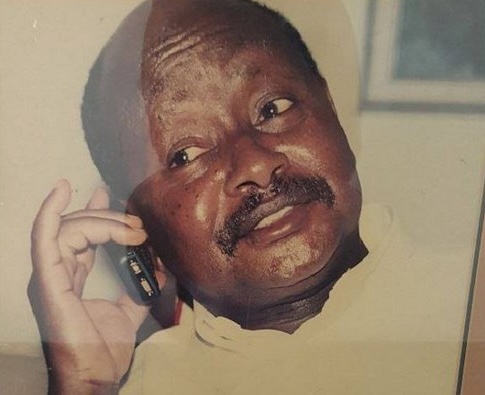
This experience didn’t just teach him caution. It taught him that credit is a double-edged sword—an opportunity when used wisely, and a ticking time bomb when approached casually. The fine print is where dreams either get protected—or get quietly destroyed.
His takeaway? “Before you sign anything, be your own best lawyer.” Because in business, no one will read the terms for you—and ignorance has a cost, paid in compound interest.
Lesson 3: Integrity and Relationships Are Capital; Stay Humble and Honest
In Geneva—the discreet capital of global wealth—billionaires live in quiet opulence, and business is often done in whispers among those who trust one another. It was here that Charles Mbire received a lesson about wealth that had nothing to do with money—and everything to do with reputation.
Still in the early stages of his business journey, Mbire was on a personal visit to the Tamari family, a deeply wealthy and well-connected family in Geneva known for their old-money ties and international business holdings. As a friend of the Tamari son, Mbire was casually picked up from the airport and on the way to his hotel. But plans quickly changed. The Tamari son had been invited to a private party—at the Rothschild estate, one of the most powerful and legendary financial dynasties in the world, with roots in banking, energy, and diplomacy spanning two centuries. But he was running late as he had to first drop Mbire at a hotel.
“Just come with him—it’s fine,” said the host on the phone. And so, Mbire, then a modest African entrepreneur, walked into one of the most exclusive private gatherings on earth.
Inside the Rothschild palace by Lake Geneva, amidst priceless art and generational wealth, Mbire stood out—not just because he was the only Black man in the room—but because he wasn’t trying to prove anything. Where others might have flaunted titles or exaggerated influence, he remained calm, honest, almost evasive. This intrigued the host—a man whose name began with “Roth…”—who assumed Mbire must be a prince or a president’s son to find himself in such a rarefied setting.
Curious, the billionaire invited him into his private library filled with African artefacts and tried to draw him out. But Mbire kept his story simple: “I’m just a young man trying to survive.”
That honesty, delivered without arrogance or apology, impressed the Rothschild so deeply that he handed Mbire his private business card—a key that would later open doors in the heart of London’s corporate world.
“If you ever need a reference in life, use my name,” he told him.
Months later, when pitching to become the Uganda representative of a UK company, Mbire was asked, as all British firms will: “Who is your reference?” He offered the card. The managing director, stunned, called his chairman. The chairman called the Governor of the Bank of England, who called the Rothschild himself. The reply?
“Charles Mbire? That’s a wonderful young gentleman. He is the future of Africa.”
The deal was done—on the back of integrity, humility, and the relationships that grow from them.
Mbire’s reflection is a timeless lesson for entrepreneurs: money comes and goes, but reputation lasts. In elite financial circles, your character travels faster than your CV. You might not always be in the room—but your name will be.
Build it carefully. Guard it fiercely. Because long before you’re ever rich in money, you must be rich in trust.
Humility isn’t weakness; it’s magnetic. People of power notice and support those grounded in truth and simplicity.
Lesson 4: Who Dares Wins
In business, the greatest opportunities rarely come gift-wrapped. They often show up looking like risk, wrapped in doubt, and tied with a bow of uncertainty. Charles Mbire knows this firsthand. His entire business story is a testament to a single creed: those who dare, win.
When MTN Group was still sceptical about investing in Uganda, their executives couldn’t get past the numbers. They saw a country of subsistence farmers, a low GDP, and a market they believed could barely yield 5,000 subscribers—at most. That was the best-case scenario, in their view. But Mbire wasn’t deterred. He didn’t have spreadsheets. He had conviction. And raw energy.
When they doubted Uganda’s purchasing power, he gave them street-level insight: the informal sector, the man washing cars for $5 a day, the wheelbarrow pusher earning $7. He painted a picture they hadn’t seen. But words alone weren’t enough. They needed credibility—someone official.
“They said, by the way who are you? We would want you to maybe come with the ambassador of Uganda in South Africa or somebody like that,” Mbire recalls.
That’s when Mbire took a gamble.
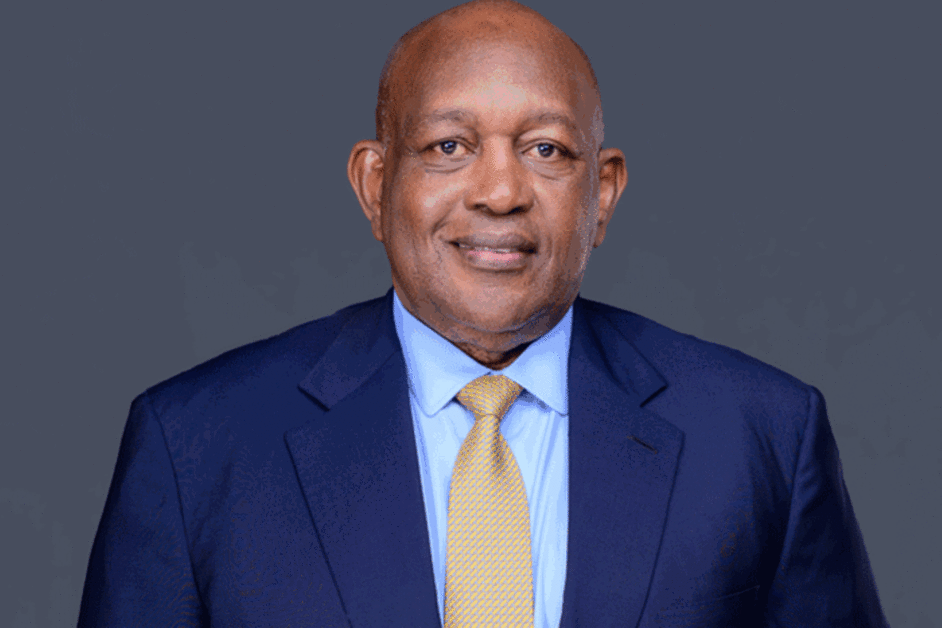
He didn’t panic. He called H.E. Edward Rugumayo, then Uganda’s Ambassador to South Africa—on the spot. Rugumayo had other engagements, but Mbire, invoking his mother’s name—Theresa—made the case personal. Rugumayo dropped everything, and came, emphasising that it was “for Theresa’s sake”.
And just like that, decades of family goodwill turned into business leverage. That presence at dinner in Johannesburg was the credibility Mbire needed to seal the deal with MTN.
This wasn’t a one-off occurrence. Throughout the talk, Mbire shares how doors opened not because he shouted the loudest, but because someone trusted him—because of a friend, a banker, a mother, a host in Geneva. When traditional forms of capital—cash, property, equity—ran dry, relational capital sustained him.
“Lay a foundation for those who come after you,” he advised young entrepreneurs. That foundation isn’t just made of profits—it’s made of people.
And then came the second, even bigger risk.
When MTN agreed to enter the market, they issued a capital call: each partner had to raise their contribution. Mbire’s? A million dollars. But he had already sold everything—his house, his farm and couldn’t raise all the money needed. He was on zero.
Bank after bank turned him down.
“You’re dreaming,” they told him.
But one banker—Mike du Toit, a South African at Stanbic—saw something different. He had seen telecoms explode in his home country and recognised Mbire’s passion. “Give me a personal guarantee, and I’ll give you the money,” Du Toit said.
That was it. Mbire signed. The money came.
And the rest? MTN Uganda connected 7,000 customers on launch day alone—blowing past the two-year projections in a single afternoon.
“Your people (Ugandans) are not only talking,” the MTN executives said in disbelief, “you can’t stop talking!”
 Ruparelia Group Wins Key Entebbe Land Case, Clearing Path for the New Mega Speke Resort and Convention Centre, Entebbe
Uganda wasn’t poor. It was under-measured. And Mbire had seen it long before anyone else did.
Lesson? Sometimes you don’t need all the answers. You just need to believe hard, act fast, and take the risk. Because while caution keeps you safe, it’s courage that gets you rich.
Lesson 5: Stay Above Board Always & Avoid Political Patronage
In a world where shortcuts and political favours often seem like the fastest route to wealth, Charles Mbire has walked a different path—and he’s made it work. His message to young entrepreneurs is clear and unwavering:
“Whatever you’re doing, don’t go for political patronage, I beg you. I don’t, and I will not.”
For Mbire, political connections might offer short-term advantages, but they come with hidden strings and a short shelf life. Integrity, transparency, and clean dealings—those are the cornerstones of lasting wealth.
“If something can work, it will work, because I have been there, and I’m telling you, it (political patronage) has a shelf life. It is so temporary.”
Mbire has lived through Uganda’s tumultuous economic and political shifts. He’s seen powerful patrons rise—and fall. And he’s seen the businesses tied to them crumble in the process. What has endured, in his view, are ventures built on clean books, smart decisions, and principled leadership.
This ethos has shaped how he built not just MTN Uganda, but every venture under his belt. His philosophy is simple but often overlooked: do the work, pay your taxes, stay in the open.
“Just stay above board, transparent, and trust your banks. Trust your banks. If the bank says no, it means no—it cannot work. Don’t go that way.”
Even when he was at rock bottom—having sold everything to raise capital—Mbire didn’t reach for a political handout. He trusted in his own name, his relationships, and the system, as imperfect as it may have been. And it paid off.
Lesson? Real wealth is not just about making money—it’s about making money in a way that you can defend, sustain, and sleep peacefully with. Because in the end, the fastest way to lose everything is to build on a foundation that can’t survive a change in regime or a single audit.
Stay clean. Stay smart. And stay standing.
Lesson 6: How to Smell a Good Company (or Opportunity) — The Charles Mbire Way
If you ever get a chance to pitch to Charles Mbire or invite him to co-invest, know this: he’s not going to get dazzled by buzzwords or shiny presentations. He’s going to look under the hood—quietly, carefully, and with years of pattern recognition behind his eyes. Because for Mbire, good companies have a scent—and he’s learned to sniff them out.
“When you call me to assess an enterprise, what do I look for?” he asked a room of entrepreneurs. His answer wasn’t about profitability, flashy assets, or even product innovation.
Mbire starts with the future.
“First, I look at your succession planning. After you’re gone, after five years or when you’re weak, what’s your succession plan?”
He wants to see if the business is built to outlive the founder. Is there depth in leadership? Is there a clear roadmap for continuity? He’s not buying into a personality cult—he’s investing in a system.
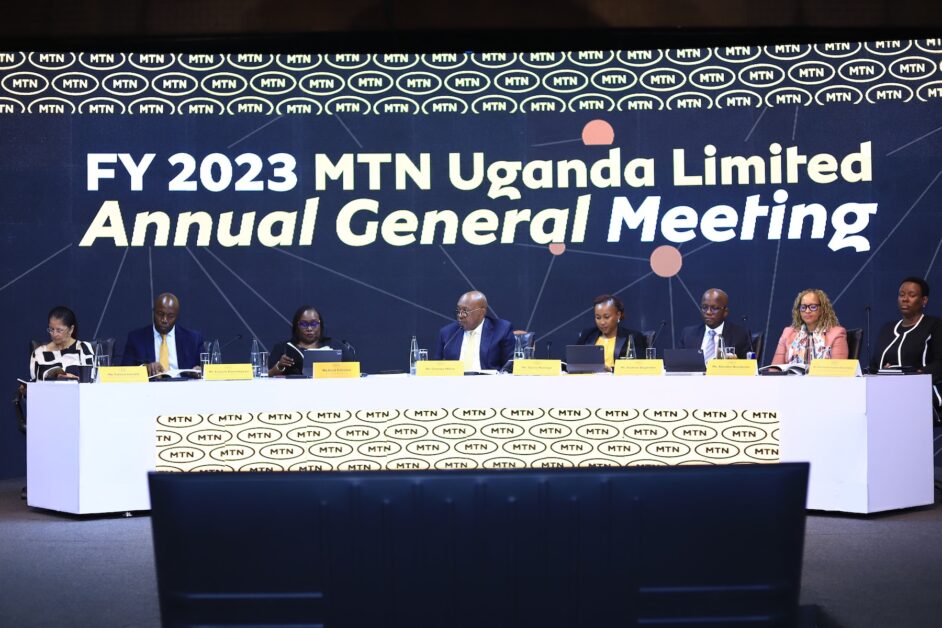
Next, he tests for resilience.
“What disaster recovery [do] you have if fire caught your store, your factory today? Can you operate outside that—business continuity—Can you? Can you?”
If a company can’t survive shocks—be it a fire, a political wave, or a global pandemic—it’s not investable. Not in Mbire’s book. He’s seen too many flashy ventures go up in smoke, literally and figuratively, because the founders never asked: What if something goes wrong?
And finally, he checks for forward thinking.
“I would also want to see your R&D budget. People ignore research and development. The world has changed.”
A good company is not just reacting to today—it’s experimenting for tomorrow. Whether it’s telecoms, energy, fintech, or agriculture, Mbire knows that innovation is insurance—and if a business isn’t budgeting for it, it’s already falling behind.
So if you want to know how to evaluate a business the Charles Mbire way, ask yourself:
- Can this business survive without the founder?
- Can it take a punch and still keep going?
- Is it thinking and building for the future, not just profiting in the now?
Because as Mbire puts it: “One month is a generation. Things have changed.”
The bottom line? A great business isn’t the one that makes noise—it’s the one that knows how to last.
Lesson 7: You Can’t Do It All On Your Own — Put God on Your Board
Even the boldest, smartest, most well-connected entrepreneurs eventually hit a wall. And when that happens, Charles Mbire has one timeless recommendation:
“Make sure God is on your board.”
It’s not just a spiritual quip—it’s how Mbire has built resilience through the chaos of risk, rejection, and reinvention. He’s seen things fall apart for reasons no spreadsheet could predict. Doors close. Markets shift. Promises break. Even the best-laid business plans meet storms.
But one thing he has never doubted is the power of divine alignment.
When he was flat broke after selling his house and farm to raise MTN’s capital call…
When every bank told him he was “mad” for trying to invest in telecoms in Uganda…
When risk hung heavy, and logic said retreat…
He moved in faith.
“God has to be on your board,” he told the entrepreneurs. “I’m telling you.”
Still, Mbire knows that faith alone doesn’t build markets. Even divine blessing must coexist with good policy and a strong regulatory framework. That’s why he also emphasized the role of government—not just in collecting taxes, but in creating a fair and functioning environment for business.
“These entrepreneurs here need a fair, level playing field. It’s very hurting for people to sweat, and the taxation is variable. Some pay taxes, and some don’t.”
He’s critical of inconsistency. Entrepreneurs can’t thrive if one hand is building and the other is penalizing. For business to flourish, governments must offer clarity, consistency, and confidence in the rules of the game.
Mbire even went as far as proposing a “Uganda Expenditure Authority” to match the energy of tax collection with transparency in public spending. Why? Because trust in the system matters—for both the entrepreneur and the investor.
Lesson? You can’t do it alone. You need something bigger than yourself—faith to ground you, and policy to guide you. One gives you courage. The other gives you cover.
Build your business. Pray over it. But also demand a system that lets it breathe.
Lesson 8: Uganda’s Greatest Wealth Is Its People — But We Must Shift Our Mindset
For Charles Mbire, Uganda’s true riches aren’t in oil fields or mineral deposits—they’re in its people. Yet, the greatest tragedy, he argues, is that we don’t value or nurture this resource nearly enough.
“Uganda’s comparative advantage here… does anyone know? Coffee? Agriculture? What is it? Human Resources is our comparative advantage.”
Mbire believes that with one of the youngest populations, a high level of English proficiency, and strong natural intelligence, Uganda has the potential to dominate globally—just like the Philippines, which earns billions from its well-trained human exports.
“They mentor their people, and educate them. They train bellboys, they train waiters… They are getting, I think, $60 billion a year.”
But Uganda isn’t tapping into this opportunity. Why? Mindset. Despite the skill and spirit, the country hasn’t healed from its past, nor prepared for its future.
“Unfortunately, we’ve had civil wars… The most important ministry is the one that gets the least funds. What would be the most important ministry to you now? Defence? Agriculture? Energy? … It is the Ministry of National Guidance.”
He continues:
“Because we have wounds from the past—civil wars, fractions of the society—and so on, we have never healed. Mindset; our mindset has not been corrected.”

Mbire calls for urgent investment in National Guidance, a government function he believes should shape values, instill discipline, and align the country’s work ethic with its potential. For him, the lack of structure is costing the nation dearly.
That’s why he also insists on the development of a contractual culture—a professional mindset where people understand and respect agreements, standards, and responsibilities.
“We have to change our culture, the way we approach work. We have to get serious. We have to train. We have to train our people to have what they call a contractual culture.”
This is not just about employment or education. It’s about re-engineering national DNA—from entitlement and informality to a disciplined, competitive, and accountable society.
The lesson? Uganda’s greatest economic opportunity is not a policy or product—it’s a mindset shift. And that requires serious, intentional investment in people, guidance, and culture.
“We have the brains, we have the entrepreneurs, we have the skill—but we’re not using it.”
It’s time we did.
Conclusion: The Billionaire Blueprint — Built on Grit, Grace, and Purpose
Charles Mbire’s story is more than a tale of wealth—it’s a masterclass in long-term vision, disciplined risk-taking, and deep belief in people and country. From the moment he walked into a South African boardroom with nothing but conviction and courage, to earning billions in dividends while mentoring the next generation, Mbire has shown what happens when preparation meets opportunity—and character meets capital.
His journey reveals a deeper truth: wealth that endures is never accidental. It is built with patience, purpose, and principle. He has shown that while money moves fast, values must move deeper. Whether it was selling everything to back a telecom dream, earning the trust of global titans like the Rothschilds, or mentoring Uganda’s next generation of entrepreneurs—Mbire has consistently bet on vision over noise, substance over shortcuts.
In an economy where many are still chasing hustle for hustle’s sake, his message is timeless:
“Money in an economy is a constant. The trick is knowing the direction.”
And as Uganda continues to evolve, his call to the nation is both a challenge and a compass:
Invest in your people. Train them. Shift mindsets. Build institutions that last.
And above all—stay above board, stay grounded, and stay believing.
Because as Charles Mbire proves, the most powerful business strategy is not just to make money while you sleep—it’s to build something so strong, so sound, and so purpose-driven, that it continues to grow, long after you’re gone.