Beyond the excitement and emotions associated with sports, money is the name of the game.
Its returns are so rewarding and its potential to manufacture overnight dollar millionaires is sometimes unbelievable.
It is a highly lucrative industry, employing from elite business and commercial executives to players, dietitians, medical professionals, analysts, and agents, among others.
Across the globe, especially in Europe, for example football is a top earner for that has made overnight billionaires.
For instance, in the 2022/23 season, the top five football leagues in Europe collectively generated $ 20.93 billion in revenue – a staggering figure – which as highlighted in a recent report by UK-based audit firm Deloitte, was primarily from broadcasting rights and player transfers.
European leagues are known for exhilarating competitions and star-studded line-ups, which captivates millions of fans across the globe.
Data from FIFA indicates that a total of $ 8.59 billion changed hands across different football transfer windows in 2024 alone, from 78,742 international transfers at professional and amateur levels.
This movement of players happened between clubs in various countries, covering men’s and women’s football in professional and amateur leagues.
Brazil claimed the global number-one position with a total of 2,215 transfers, while Benin topped in Africa with 244 transfers.
Uganda made a total of 144 transfers.
At a professional level during the period men’s football in Uganda registered 51 incoming transfers and 46 outgoing, which resulted in a modest growth rate of 0.109% for incoming players, while outgoing transfers saw a slight decline of – 0.08%.
In contrast, women’s football, whereas it registered lower figures, returned an increase in percentage terms, registering eight incoming and 15 outgoing transfers, which indicates a growth rate of 0.6% and 0.667%, respectively, a signal of increasing competitiveness and interest in women’s football.
At amateur level, however, Uganda registered mixed trends with only four incoming against 20 outgoing transfers, which returned negative growth rates of – 0.2% and – 0.13%, respectively, suggesting challenges in maintaining player retention.
The figures above show the existence of some good activity, but with very low returns in terms of value.
Thus, how, therefore can Uganda earn from a sport that is generating billions of dollars, elsewhere, but with very low value here.
The arrival of alternatives
Unlike previously, there seem to be a number of alternatives that are coming up.
Uganda, and Africa as a whole had for a longtime depended on Europe for transfers and player exchange.
However, the arrival of professional leagues such as Saudi Pro League has created alternative markets.
With a market value of €1.02 billion, the league generated $54.53 million in sponsorship revenue for the 2024/25 season.
During the summer transfer window of 2023, Saudi Arabian clubs set a record by spending $957 million, making it the second-highest-spending league after the Premier League.
However, the spending has reduced to $431 million as the league adopts a more cautious approach, through which it can attract foreign players, but remain profitable.
Thus, if Uganda can improve in talent spotting and nurturing, it has the potential to share into the billions of dollars.
However, this can only be achieved if clubs become more professional on both paper and in practice.
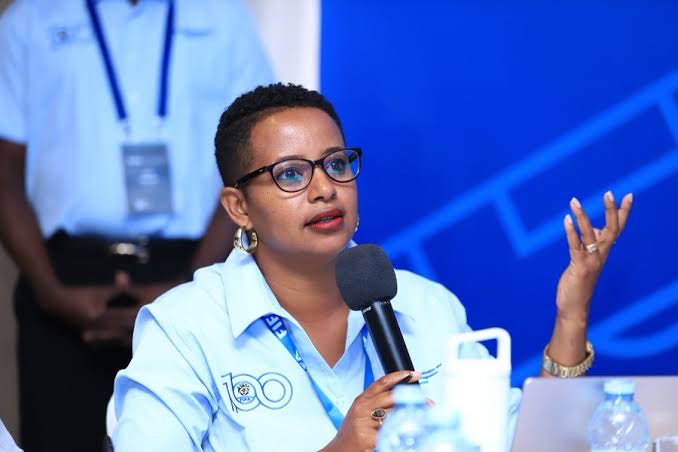
Anisha Muhoozi, the KCCA chief executive officer, says Uganda, despite massive investments in academies and youth teams, still struggles with low performing grassroot structures.
Young talent, she says, must be nurtured and guided to develop.
“In Africa, countries with strong youth development and structured leagues for players under 17, 20, and 23 help talents progress effectively. However, Uganda lacks this framework, causing many promising players to disappear after early success,” Mrs. Muhoozi says.
Additionally, she notes, Ugandan cubs lack exposure, which is key in creating connections.
“Opportunities often rely on connections, and Ugandan clubs haven’t sufficiently expanded their networks. Many players also lack effective agents to promote their talents. In a competitive environment, success hinges on having advocates. Thus, improving exposure and forming strategic partnerships are essential for player development in Uganda,” she notes.
Struggling to break into Europe
Whereas KCCA has successfully sold and bought players locally and across Africa, the club, Muhoozi says continues to break into Europe, which as a whole tells of the long journey of developing sufficient talent and marketing it later on.
“We face stiff competition from countries like Nigeria, Ghana, and Senegal, which excel at player development due to established networks. Additionally, our lack of qualification for AFCON limits our players’ visibility and complicates scouting efforts further,” she says.
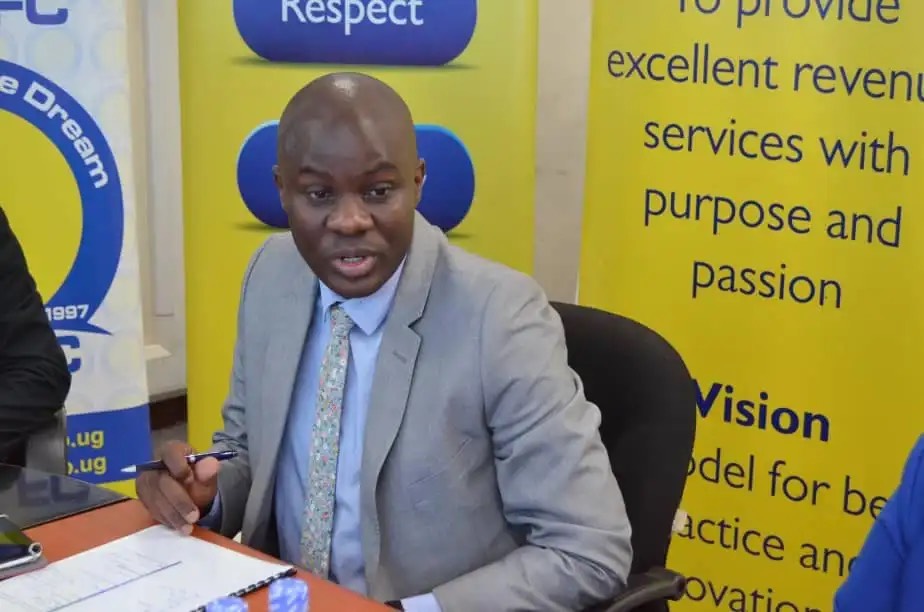
On his part, Ivan Kakembo, a FIFA-certified football administrator and former chief executive officer of SC Villa and URA FC, says beyond strengthening youth development through structured academies, there is need to enhance domestic competitions, and improve club management.
“A strong youth development system is the foundation of any successful football nation. We need to invest in our future talent to build a competitive and sustainable football environment,” he says, noting that there is also need to foster international partnerships, upgrade football infrastructure, and create a football business ecosystem, through which Uganda can position itself as a competitive footballing nation in Africa.
Kakembo also notes that there must be improvement in scouting networks, and enhancing Uganda’s football visibility internationally by obtaining strategic player transfers to clubs that have global viewership.
Football Infrastructure Outlook
Away from developing talent, Uganda needs to invest in football infrastructure such as stadiums that form the backbone of a country’s sporting culture.
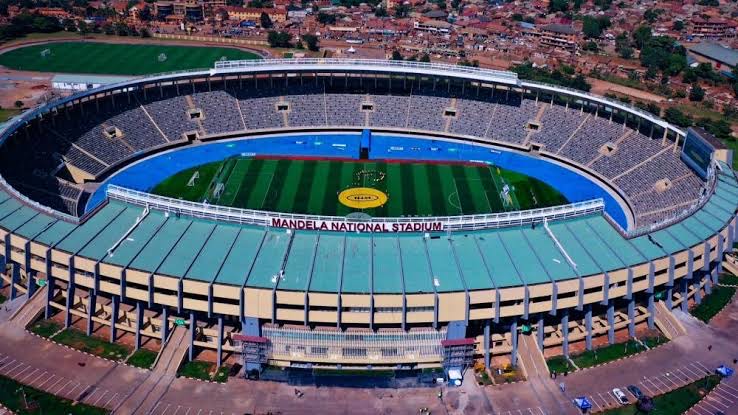
At the forefront is the impressive Mandela National Stadium, located in Bweyogerere. This grand facility, with a seating capacity of 45,202, stands as the proud home of the national football team, offering fans a vibrant atmosphere during crucial matches.
But in the last five years, government has tried to invest in sporting structures some of which such as formerly Nakivubo War Memorial Stadium, now known as Hamz Stadium, being upgraded to a sitting capacity of 15,000.
Additionally, Mutesa II Wankulukuku Stadium and St. Mary’s Stadium in Kitende serve as vital hubs for local clubs, enriching the football landscape across the country.
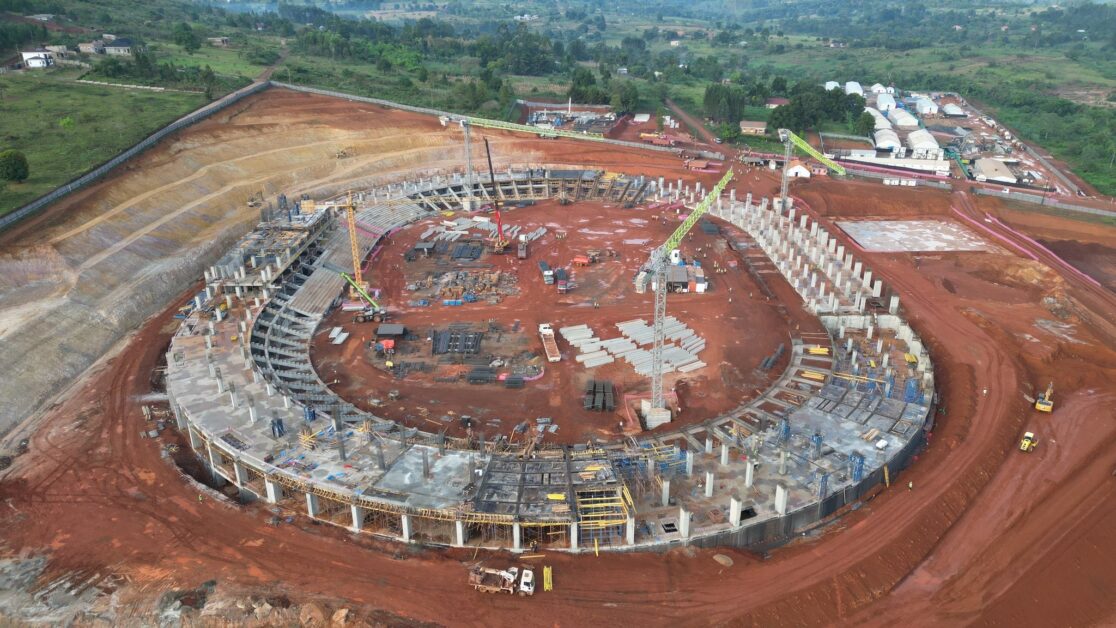
In a bid to strengthen its football infrastructure, Uganda is making significant investments in new facilities, with several projects set to launch in the coming years. One such ambitious endeavour is the Hoima City Stadium, which is anticipated to be completed by 2025.
This facility will feature state-of-the-art amenities, including an indoor sports arena and a swimming pool, providing a comprehensive sports experience for athletes and fans alike.
Other developments in the pipeline include the Denver Godwin Stadium in Garuga, conveniently located off Entebbe Road, and the Akii-Bua Olympic Stadium in Lira City.
These projects are expected to play a crucial role in Uganda’s pursuit to host the 2027 Africa Cup of Nations and the upcoming African Nations Championship later this year.
For now, existing sports facilities remain few to sustain demand with some local clubs host their home games in rival stadiums, some of which fall short of international standards, which highlights the need for continued investment and improvement.