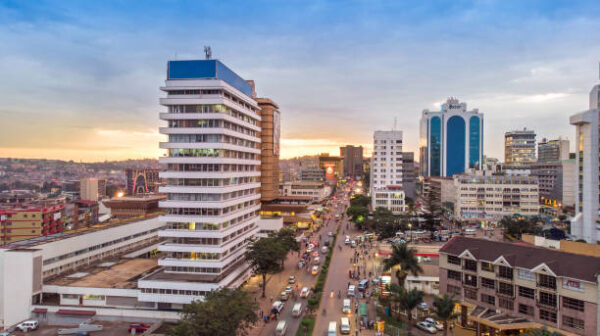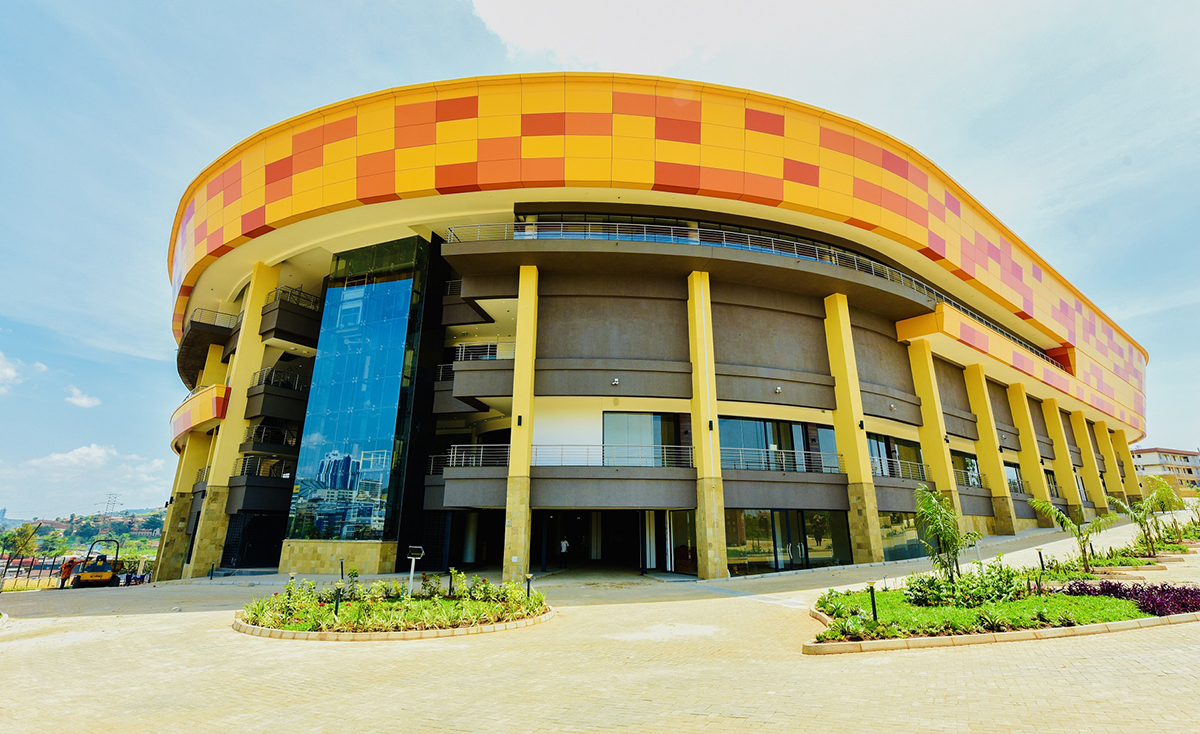
Recently, Knight Frank released Kampala market performance review
for first half of 2022 showing an 11% increase in office occupancy. The property consultancy now spells out the property future trends in Uganda that every real estate investor must know.
- The office market will likely see a review of escalation clauses in lease agreements on the back of growing discussions among stakeholders on the topic as a result of constrained incomes. The reviews will likely incorporate biennial rates as compared to the annual escalation rates that were the market norm.
- The persistent rise in commodity and energy costs is projected to result in high operational costs, which will be reflected in increased service charges, hence increasing total occupancy costs.
- In order to maintain agile office solutions and flexible portfolios, developers will continue to consider incorporating flexible office options and smaller spaces (50 to 100 sq m) in their buildings.
- With the United Kingdom government’s pledge to invest in Uganda’s business parks, and the prioritisation of industrialisation in the 2022/23 budget, construction in many of the parks is projected to start & or continue in the medium to long term.
- The current high commodity and fuel prices have affected consumers’ disposable incomes. As customers prioritise their purchases, the ongoing price increase is anticipated to have an impact on domestic demand, causing a decline in foot traffic and turnover at various shopping centres.
- Future developments are projected to take into account the growing need for 1-bedroom units given the limited supply and the fact that the bulk of current and upcoming projects offer 3-bedroom units.
- The rising number of apartments, particularly 3-bed units in Kololo and Naguru’s suburbs, is anticipated to exacerbate the problem of an oversupply of prime units in the long run, necessitating downward rent reviews in an effort to manage vacancy pressures.
- The hospitality and tourism industry, which has been on a recovery trajectory following the reopening following the reopening of boarders globally will continue to see improvements thanks to higher COVID-19 immunization rates, loosened travel restrictions and enhanced government support.
- With Masindi earmarked as a supply terminal and logistical hub for the oil activities, and Luwero and Nakasongola designated as logistics and supply terminal’s transit routes, increased infrastructure development in these areas to support the ongoing activities and provide accommodation for project staff and expatriates is expected.
Compiled by CEO Magazine’s Rhyman Agaba