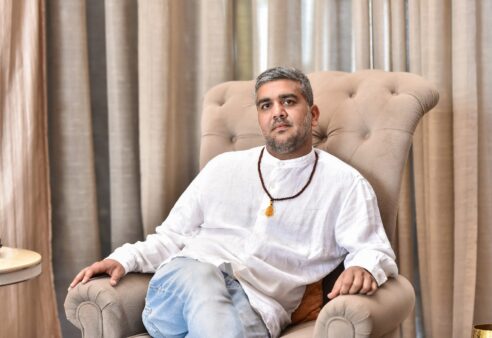
The Keshwala Group, one of Uganda’s largest privately held conglomerates, is undergoing a leadership transition that marks its third generation of family stewardship.
Established in the 1950s as a small textile outlet in Jinja, the Group has evolved into a diversified business spanning manufacturing, logistics, steel, packaging, and distribution, with a presence across Uganda and the East African region.
At the center of the transition is Sagar Keshwala, currently Managing Director, who is widely seen as the next-generation leader poised to carry forward the vision set by his grandfather, Viram Giga Keshwala, and significantly expanded by his father, Ranmal Viram Keshwala, the Group’s current Chairman.
Foundations: The Role of Viram Giga Keshwala
The origins of the Keshwala Group date back to the 1950s, when Viram Giga Keshwala migrated from India to Uganda and established a small textile trading business in Jinja.
The enterprise operated as a single retail outlet, serving local customers with basic textile products.
Over the following decades, the business maintained a steady presence, gaining recognition for consistency, reliability, and customer responsiveness.
In 1980, it was formally registered as a company, marking the transition from informal trading to a structured commercial operation.
In 1983, Ranmal Viram Keshwala, Viram’s son, joined the family business after relocating from India.
He worked under his father’s guidance for over a decade, gaining hands-on experience in day-to-day operations, logistics, supply relationships, and customer management.
This period of mentorship and gradual transition culminated in 1997, when Ranmal formally assumed full managerial responsibility for the business.
By that time, the company had laid a stable foundation, with modest operations focused on trading and distribution.
This base would later serve as the platform for large-scale diversification and growth under Ranmal’s leadership.
Expansion and Integration: Ranmal Viram Keshwala
Ranmal Viram Keshwala is renowned for presiding over a period of rapid growth and diversification, positioning the company as a vertically integrated industrial and distribution group.
Under his leadership, the Group secured national distribution partnerships with companies such as Nile Breweries and Pepsi, which enabled large-scale logistics operations.
He also spearheaded investments in manufacturing, starting with Krishna Matches, now one of Africa’s largest matchstick factories, employing over 800 people.
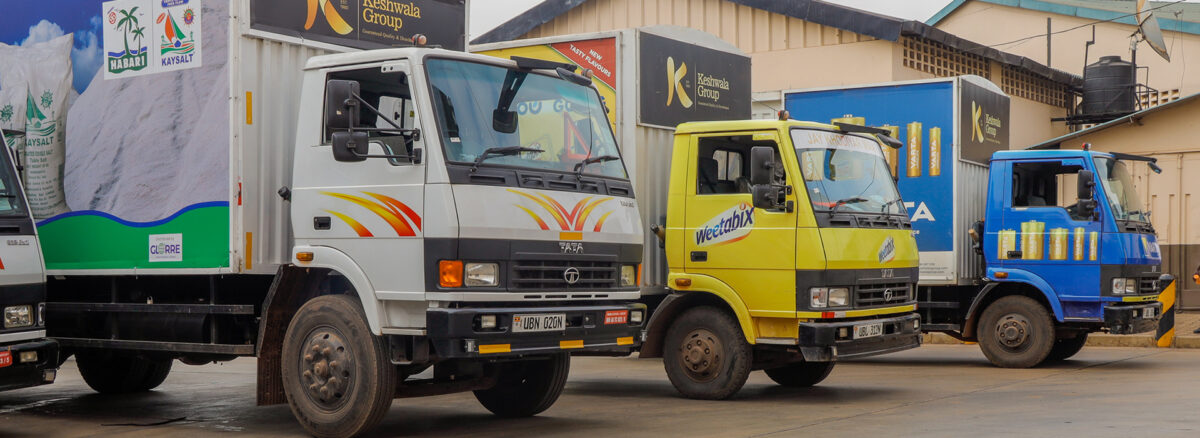
The Group now operates more than 63 branches, a fleet of 740 trucks, and employs over 2,500 staff. Its operations are conducted through companies such as V.G. Keshwala & Sons, Glorrie Industries, Imperial Steel, and Mitayimbwa Steel Manufacturers, with a product portfolio exceeding 1,000 stock-keeping units (SKUs).
In addition to industrial capacity, the Group manages distribution for several leading local and regional brands, including Bidco, Airtel, Kakira Sugar, Kenafric, 3M, and Weetabix.
 Ruparelia Foundation to Hold Free Eye Camp in Bukedea in Honour of Rajiv Ruparelia
Corporate social responsibility initiatives have also featured prominently during Ranmal’s tenure, including community donations, support for women’s organisations, and inclusive employment for persons with disabilities.
Transition and Strategic Modernisation: Sagar Keshwala
Sagar Keshwala, who holds a degree in Business Administration from Essex Business School in the UK, formally joined the company in 2015.
He has since assumed the role of Group Managing Director and has taken on increasing responsibilities in strategy and operations.
His focus has been on governance improvements, operational efficiency, and regional market expansion.
Sagar has led initiatives to streamline internal processes, improve product management systems, and strengthen the Group’s data-driven decision-making capabilities.
He is also actively involved in the company’s geographic diversification strategy, particularly in the Democratic Republic of Congo, Rwanda, and Tanzania.
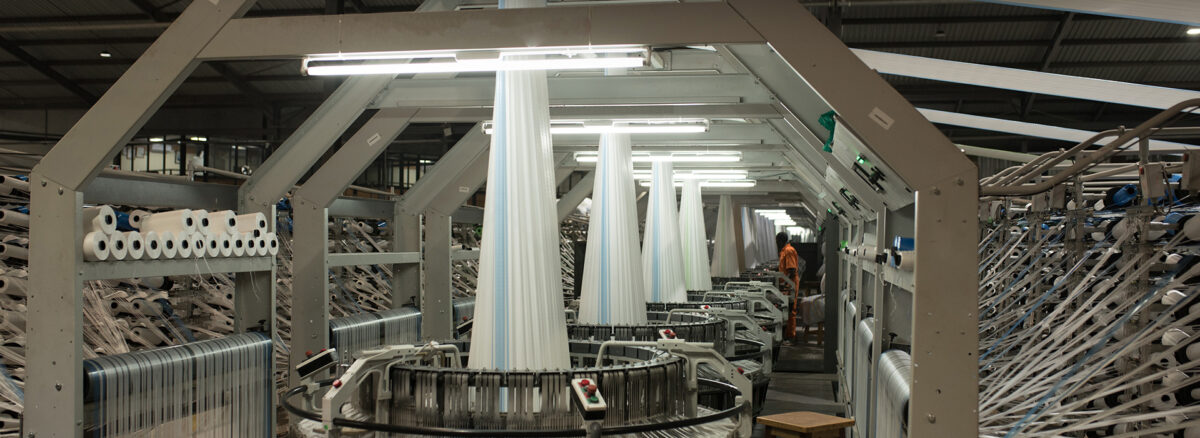
Under his leadership, the Group has expanded into sodium silicate production, steel tubing, edible oil processing, and agro-based manufacturing.
New product development and sustainable packaging initiatives are also underway, aimed at aligning with emerging consumer trends and environmental expectations.
Succession Planning in Practice
The Keshwala Group’s transition reflects a structured, phased approach to succession, where responsibilities are gradually shifted rather than abruptly transferred.
Ranmal remains involved in strategic decision-making as Chairman, while Sagar leads day-to-day operations and growth initiatives.
This model of intergenerational co-leadership has enabled the Group to maintain continuity while adapting to changing market dynamics.
Outlook
With a long-standing foundation, a strong logistics network, and a growing manufacturing portfolio, the Keshwala Group remains a significant player in Uganda’s private sector.
The leadership transition to Sagar Keshwala represents both a generational milestone and a strategic opportunity to modernize and expand further across the region.
As the business environment becomes more competitive and digitized, the extent to which the Group sustains its growth will depend on its ability to balance legacy strengths with innovation and governance.
The succession process remains ongoing, but early indications suggest that the Keshwala Group is preparing for long-term continuity under third-generation leadership.