At least 201 companies have been liquidated in the five years to June 2024, data from Uganda Registration Services Bureau (URSB) indicates.
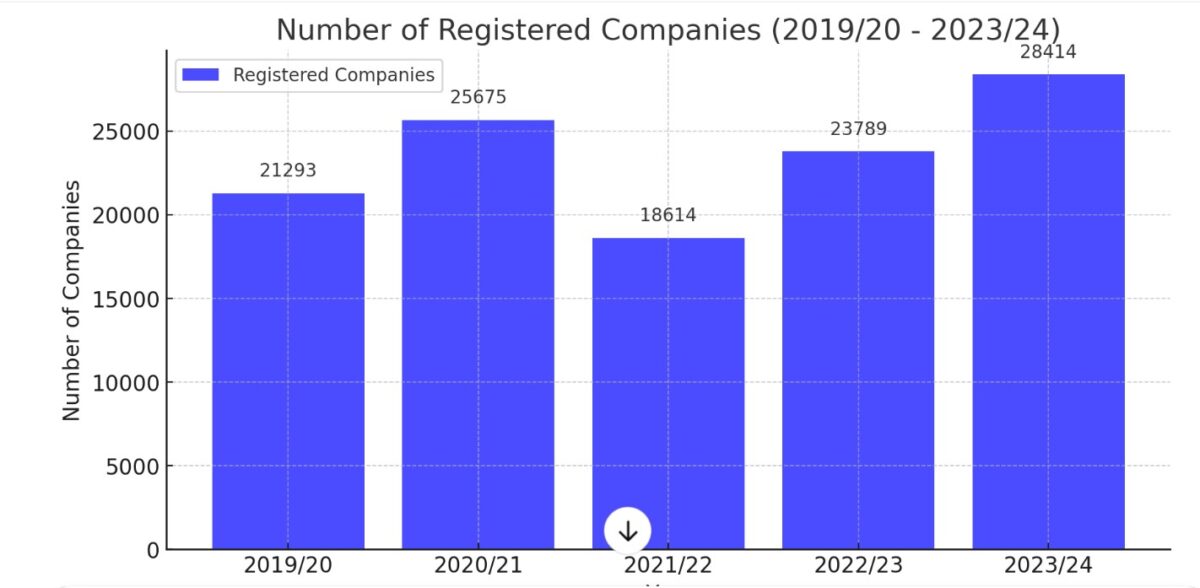
However, new business registration has equally grown, with at least a combined 117,369 new companies registered in the same period.
Details contained in the URSB annual reports for the last five years indicate that the number of liquidated companies has been growing, signaling an increasingly tough operating environment that has been characterised by dampened economic activity and a technological shift.
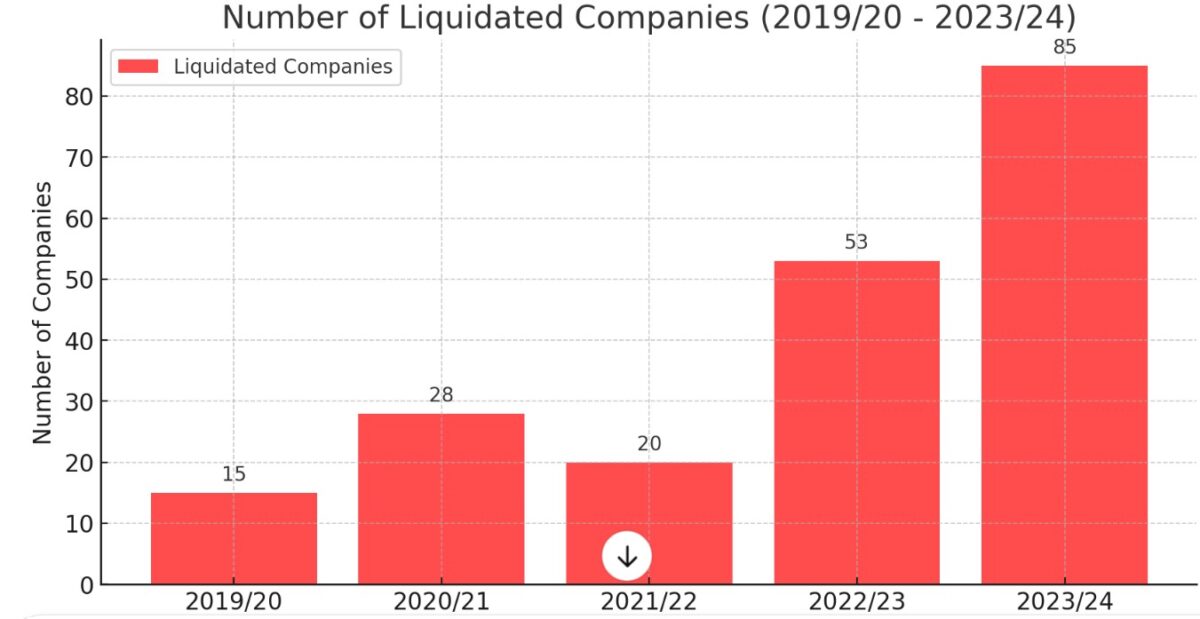
Business liquidations have grown exponentially, increasing by an annual average of 86.6% in each of the five years between June 2019 to June 2024.
Data indicates that the actual number of liquidated companies has in the period grown five-fold from just 15 in the 12 months to June 2020 to 85 in the same period to June 2024, which represents a percentage rise of 82.3%.
A company is liquidated after it is determined that it can no longer meet its financial obligations, in which case, the company ceases operations or is deregistered and its assets sold to pay creditors and shareholders.
URSB data indicates that in the 12 months to June 2020 liquidated companies rose by 150% from six in June 2019 to 15, before increasing further by 86.67% in June 2021 to 28.
No details are provided for the increase but this could be due to a difficult operating environment occasioned by the after effects of Covid-19 and escalating global economic tensions resulting from conflicts in the Middle East and eastern Europe between Russia and Ukraine.
Data further indicates that in the 12 months to June 2022, business liquidations reduced by at least 28.6% to 20 companies but more than doubled to 53, representing a percentage increase of 165% in the same period in 2023.
The URBS latest annual report released at the start of this month further indicates that more companies were liquidated in the 12 months to June 2024, with the number rising to 85 businesses, which represents a percentage increase of 60%, bringing the cumulative number of liquidated companies in the last five years to 201.
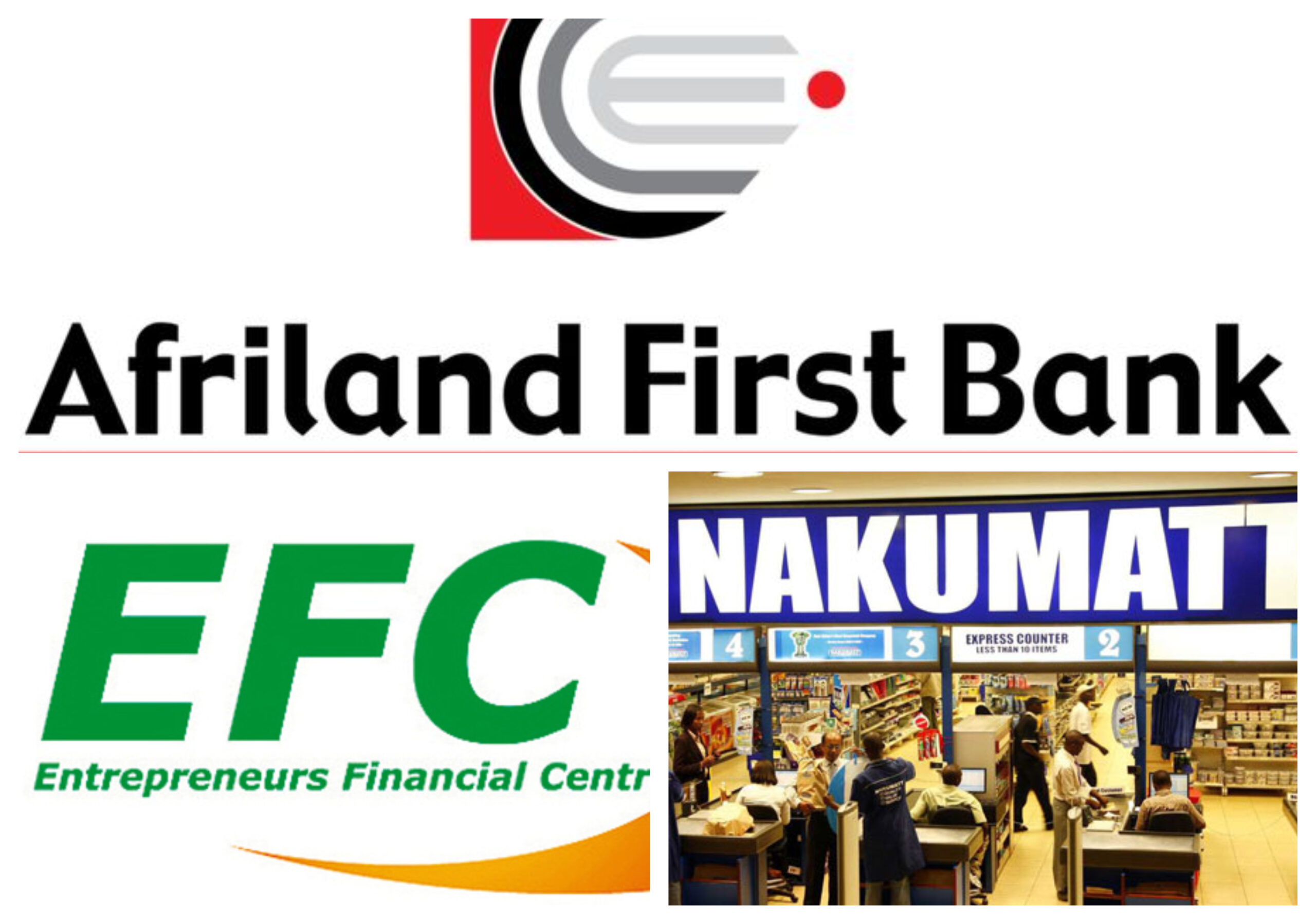
In the five years to June 2024, a number of notable companies including supermarket chain, Nakumatt – which secured a high court order to commence a liquidation process – financial institutions, Afriland First Bank, which voluntarily exited Uganda in May 2022 and EFC Uganda, a credit institution whose licence was revoked on January 19, 2024, among others, have been liquidated.
 Govt Abandons Plan to Tax all Cash Withdrawals
Aya continues to battle an application, through which, one of its creditors, Fresh Cuts had in February 2023 sought to liquidate Aya Investments assets to recover an unpaid debt of UGX 70 million.
Many others have been liquidated in the period or are still undergoing liquidation processes.
However, whereas there has been an increase in business liquidation, data indicates that new company registrations have been growing.
An average of 23,473 new companies has been registered in each of the five years.
Data further indicates that at least 117,369 new companies have been registered over the last five years, with each of the five years, apart from the 12 months to June 2022, returning positive growth.
URSB data indicates that in the 12 months to June 2021, new companies increased by 20.58% from 21,293 in June 2020 to 25,675, before declining by 29.1% to 18,198 in the 12 months to June 2022.
However, the growth recovered in the 12 months to June 2023, rising by 28% to 23,789, before increasing further by 19% to 28,414 new companies in the 12 months to June 2024.